


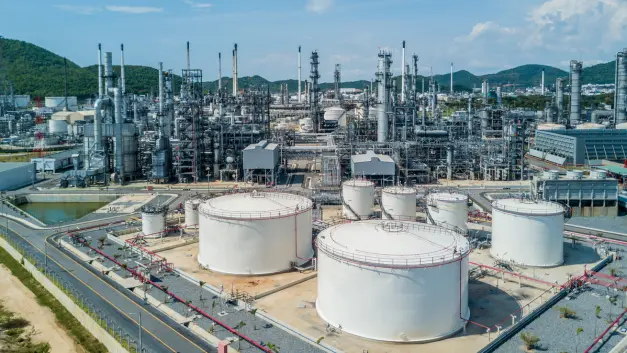
Tensions in the Middle East have escalated sharply after Saudi Arabia temporarily shut down its major East-West oil pipeline following a drone attack, while Iran-backed Houthi forces in Yemen seized the strategic Mayun (Perim) Island near the Bab al-Mandeb Strait.
The developments have raised fresh concerns over global oil supplies and international shipping, as the Bab al-Mandeb has become an increasingly important alternative route for energy shipments amid disruptions around the Strait of Hormuz.
Saudi Arabia Shuts Major Oil Pipeline
Saudi Arabia said it temporarily suspended operations of its East-West oil pipeline as a precaution after the facility came under a drone attack.
According to Reuters, the approximately 1,200-kilometre pipeline has recently been transporting around 4 million to 5 million barrels of oil per day, equivalent to roughly 4%–5% of global oil supply. The pipeline connects Saudi oil-producing areas with the Red Sea port of Yanbu, allowing exports to bypass the Strait of Hormuz.
Saudi authorities said the drones came from Iraqi territory. The Iraqi government condemned the attack and said it was taking measures in response. Saudi Arabia has so far avoided an immediate military response, while warning that it reserves the right to take necessary steps to protect its security and infrastructure.
Houthis Capture Strategic Mayun Island
At the same time, Yemen’s Iran-aligned Houthi forces have made significant advances along the country’s Red Sea coast.
Houthi fighters reportedly seized Mayun Island, also known as Perim Island, which sits in the Bab al-Mandeb Strait at the southern entrance to the Red Sea. Yemeni government sources also reported Houthi advances around Dhubab and other strategic positions near the strait.
The development gives the Houthis greater strategic leverage over one of the world’s most important maritime chokepoints.
The Bab al-Mandeb connects the Red Sea with the Gulf of Aden and the Indian Ocean and is an important route for ships travelling between Asia, Europe and the Middle East.
Why Bab al-Mandeb Is So Important
The strategic importance of Bab al-Mandeb has increased substantially because shipping through the Strait of Hormuz has already been severely disrupted amid the wider US-Iran conflict.
Saudi Arabia had increasingly relied on Red Sea routes to move oil while avoiding the problems around Hormuz. The latest Houthi advances therefore create another potential pressure point for Saudi energy exports.
Any prolonged disruption around Bab al-Mandeb could force some vessels to take longer routes around the Cape of Good Hope, increasing transportation costs, delivery times and insurance expenses.
Oil Prices Cross $100 Amid Supply Concerns
The developments have already added pressure to global energy markets.
International oil prices have moved above the $100-per-barrel level amid concerns about disruptions to Middle Eastern energy supplies. Reuters reported that Saudi crude supply had fallen to its lowest level in more than three decades, while the latest attacks and shipping disruptions have increased concerns about further supply losses.
A prolonged disruption could have wider consequences for fuel prices, transportation costs and inflation in countries that depend heavily on imported crude oil.
Global Shipping Faces Fresh Risk
The latest Houthi advance has also increased concerns for commercial shipping through the Red Sea.
The group has previously targeted ships in the region and announced a maritime blockade against Saudi Arabia. With Houthi forces now positioned around the Bab al-Mandeb area, international shipping companies may face increased security risks and could consider alternative routes.
However, Houthi representatives have said that international shipping and navigation remain safe, while their military campaign is focused on their regional adversaries. The situation remains fluid and could change rapidly.
Middle East Crisis Enters a More Dangerous Phase
The simultaneous disruption of Saudi Arabia’s alternative oil pipeline and the Houthi advance around Bab al-Mandeb has created a new layer of uncertainty for global energy markets.
With both Hormuz and Bab al-Mandeb facing serious security concerns, any further escalation could affect oil supplies, shipping routes and fuel prices far beyond the Middle East.
For India and other major oil-importing countries, a prolonged disruption could potentially increase crude import costs and put additional pressure on domestic fuel and transportation expenses.
The situation is developing, and governments and energy markets worldwide are closely monitoring the security of the region’s major oil and shipping routes.
Also read Surat Dengue & Mosquito Prevention Guide After Monsoon 2026
Watch Latest News Videos on KRH News: Click Here