


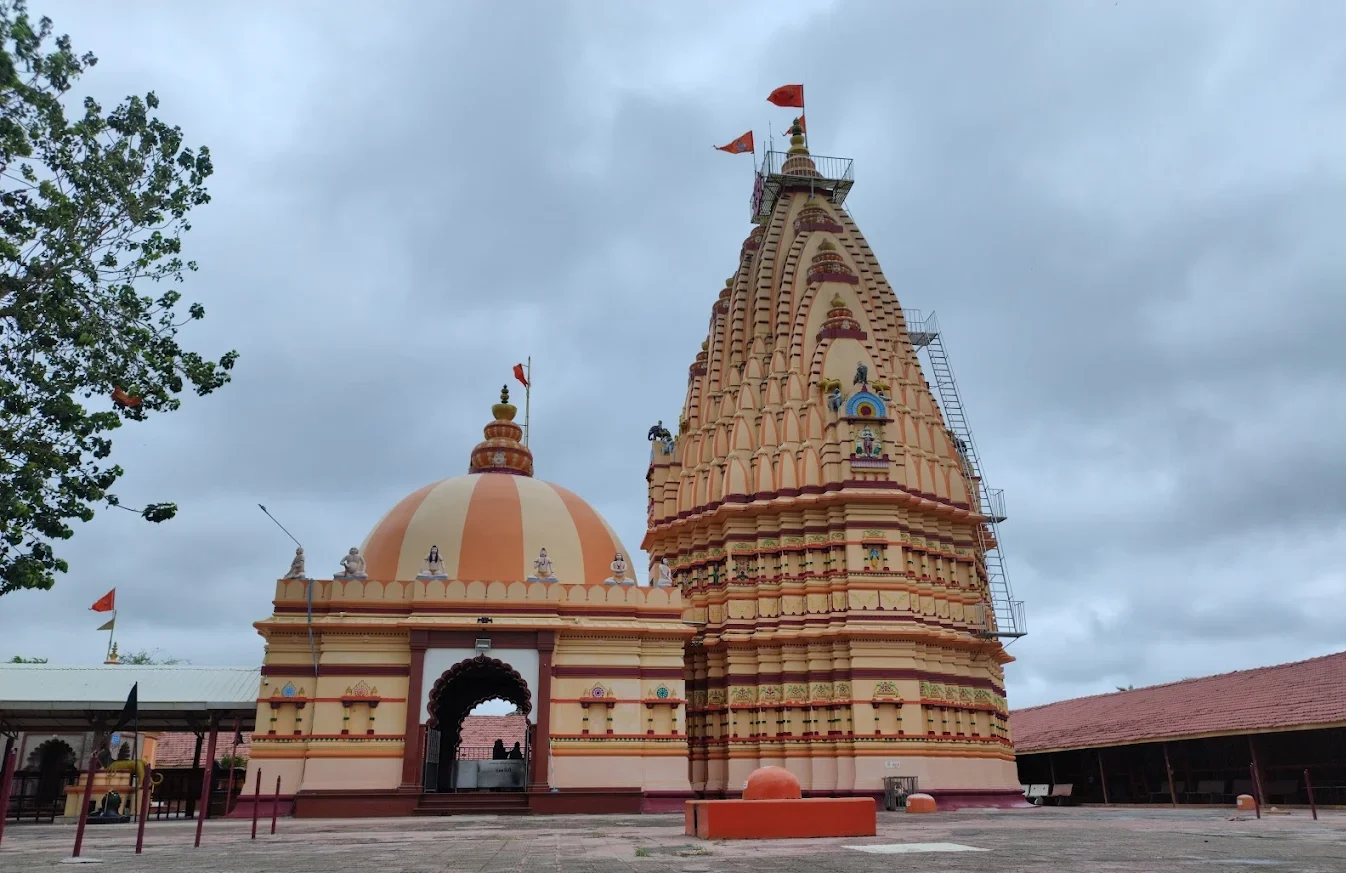
SURAT: The holy month of Shravan has brought a strong wave of religious devotion to Surat, with Shiva temples across the city and surrounding areas witnessing increased footfall of devotees. From early morning prayers and Abhishek rituals to the continuous chanting of “Har Har Mahadev” and “Om Namah Shivaya,” the atmosphere around several temples has turned deeply spiritual.
Shravan is traditionally considered one of the most important months for devotees of Lord Shiva. Across India, worshippers visit Shiva temples, observe fasts and perform special rituals during the month.
Devotees Visit Shiva Temples for Darshan and Abhishek
During Shravan, devotees commonly perform Jal Abhishek on the Shivling and offer items such as milk, water, Bilva leaves and flowers as part of their worship. Shiva temples often see particularly large crowds on Shravan Mondays, when devotees observe the Shravan Somwar fast and visit temples seeking blessings.
In Surat, the religious atmosphere is especially visible around historic Shiva temples and shrines located across the city and its outskirts.
Surat’s Historic Shiva Temples Attract Devotees
Several Shiva temples in and around Surat have a long association with local faith and religious traditions.
Kantareshwar Mahadev Temple
Kantareshwar Mahadev Temple in the Katargam area is among the prominent Shiva shrines associated with Surat. Earlier reports have highlighted the temple’s strong connection with devotees throughout the year, with particularly high religious activity during Shravan and Maha Shivratri.
Galteshwar Mahadev Temple
The ancient Galteshwar Mahadev Temple at Timba village in Kamrej taluka is another important Shiva shrine in the Surat region.
The temple is described in local reporting as being around 400 years old, with a large Shiva statue within its premises. During Shravan, especially on Mondays, devotees gather in significant numbers for darshan and worship. The temple is situated near the Tapi River, adding to the scenic and spiritual character of the location.
Why Shravan Is Considered Special for Lord Shiva
Shravan is traditionally dedicated to Lord Shiva, and devotees use the month for prayer, fasting, meditation and acts of devotion.
Many worshippers believe that offering water to the Shivling, chanting Shiva mantras and observing a disciplined lifestyle during this sacred period carries special spiritual significance. The month also coincides with the monsoon season, creating a distinctive atmosphere around temples, pilgrimage sites and religious gatherings.
Shravan 2026: Important Dates
Shravan dates vary according to regional Hindu calendars. For the calendar followed in many parts of North India, Shravan 2026 began on July 30 and continues until August 28, with Shravan Mondays falling on August 3, August 10, August 17 and August 24. However, Gujarat and several western Indian regions follow a different calendar system, so devotees should check their local Panchang for region-specific dates.
Religious Activities Continue Across Surat
During Shravan, Shiva temples commonly organise:
- Special Abhishek ceremonies
- Morning and evening Aartis
- Shiva mantra chanting
- Bhajans and devotional programmes
- Special decorations of Shivlings
- Distribution of Prasad
- Shravan Somwar worship
Devotees also observe different forms of fasting according to their family traditions and personal religious practices.
Surat’s Spiritual Side Comes Alive
Known internationally as a major diamond and textile hub, Surat also has a rich religious and cultural identity. The city and its surrounding areas are home to numerous temples connected with centuries-old traditions and local beliefs.
During Shravan, these religious spaces become important gathering points for families, senior citizens, young devotees and pilgrims. The sound of temple bells and chants of “Har Har Mahadev” during the sacred month add a distinctive spiritual character to Surat.
Devotees Prepare for More Crowds on Shravan Mondays
With Shravan continuing through the month, Shiva temples are expected to remain busy, particularly on Mondays and other auspicious days. Devotees visiting popular temples are advised to plan their journeys in advance, follow temple guidelines and cooperate with volunteers and local authorities during crowded periods.
The ongoing Shravan celebrations have brought Surat’s Shiva temples alive with devotion, prayers and the chants of “Har Har Mahadev.” From historic shrines within the city to ancient temples around the Surat district, devotees are participating in Abhishek, darshan and traditional worship throughout the sacred month.
As Shravan progresses, the spiritual atmosphere across Surat is expected to become even more vibrant, particularly during the remaining Shravan Mondays.
Har Har Mahadev!
Also read, Shravan Month 2026: Complete Guide to Dates, Somvar Vrat, Fasting Rules, and Puja Vidhi
Watch Latest News Videos on KRH News: Click Here