


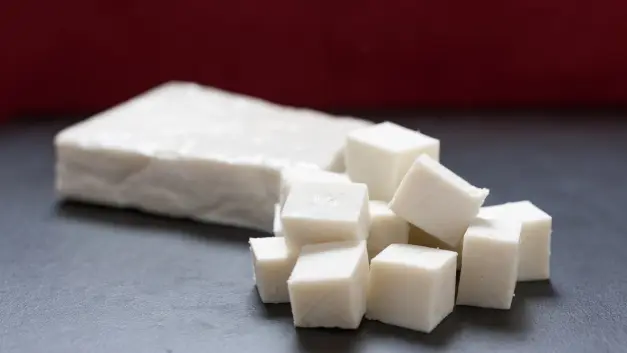
After Gujarat’s Action Against Analogue Paneer, Food Businesses Demand Purity Proof and Supply Details
SURAT: Following the Gujarat government’s crackdown on analogue paneer and other non-dairy substitutes, restaurants, hotels, cafés and food businesses in Surat are becoming increasingly cautious about the paneer entering their kitchens.
Food industry sources in Surat and other major Gujarat cities said restaurants have started seeking greater documentation from suppliers, including product details, bills, batch numbers and written confirmation that the paneer is genuinely milk-based.
The development comes amid growing regulatory scrutiny over analogue paneer, which can use non-dairy ingredients such as vegetable fats or starches instead of traditional milk-based ingredients. Gujarat authorities have recently intensified action against such products, citing food safety and consumer protection concerns.
Surat Restaurants Begin Demanding Purity Certificates
Restaurants and hotels are reportedly contacting their regular paneer suppliers and asking them to provide documents establishing the origin and composition of the product.
Among the details being sought are:
- Product manufacturing details
- Purchase and supply bills
- Batch numbers
- Supplier information
- Milk-based production confirmation
- Relevant food-safety documentation
- Purity or quality certificates, wherever applicable
Restaurant operators are taking these precautions to avoid complications during future inspections by food safety authorities.
The move also reflects growing awareness among food businesses that responsibility does not end with the supplier. Restaurants serving paneer-based dishes could also face scrutiny if the product supplied to customers does not comply with applicable food safety requirements.
Why Food Businesses Are Becoming More Cautious
The latest concern is not entirely new for Surat. In March 2026, Surat authorities seized around 1,401 kg of suspected analogue paneer during a joint operation in the Pandesara area. Authorities also reportedly recovered palm oil, chemicals and machinery allegedly used in the production process. Samples were sent for laboratory testing.
Earlier, an SMC food-safety inspection drive also found six paneer and cheese samples that failed to meet prescribed standards. Samples had been collected from dairies, hotels and restaurants across the city and tested at the SMC Public Health Laboratory. These incidents have increased concerns across Surat’s food-service sector and encouraged businesses to examine their supply chains more carefully.
Gujarat’s Action Puts the Spotlight on Analogue Paneer
The Gujarat government’s recent action has brought the issue into sharper focus across the state. Recent reports said Gujarat has imposed restrictions on the production and sale of analogue, non-dairy paneer, cheese and butter. The move followed increasing scrutiny of products in which non-milk ingredients are used as substitutes for traditional dairy components.
Earlier in 2026, Gujarat’s Food and Drugs Control Administration had also directed hotels, restaurants and ready-to-eat food establishments to clearly disclose whether they were serving genuine dairy paneer or an analogue alternative.
The regulatory focus is therefore shifting from only checking manufacturers to examining the wider food supply chain.
Suppliers Could Face Greater Scrutiny
Restaurant owners and food businesses in Surat are now calling for strict action against manufacturers and suppliers who allegedly sell non-compliant products while presenting them as genuine paneer.
Industry representatives believe that enforcement should extend across the entire chain, from manufacturing and storage to transportation, distribution and final sale. If suppliers are required to maintain proper documentation and traceability, restaurants say it could become easier to identify the source of questionable products during inspections.
Original Paneer Prices May Rise
The crackdown could also have an impact on the price of genuine dairy paneer. Analogue paneer is generally cheaper to manufacture than traditional milk-based paneer. If restaurants and food businesses shift completely toward verified dairy paneer, demand for genuine products could increase.
Food businesses therefore expect the possibility of higher prices for original paneer if supplies tighten. There are also concerns within the trade that a price gap between genuine and non-dairy products could encourage some unscrupulous operators to continue selling products through unofficial channels. However, any such activity would depend on enforcement and laboratory findings, and claims about future price increases remain a market concern rather than an established outcome.
Small Food Outlets Also Under Watch
The issue is particularly significant for businesses that use paneer in large quantities every day.
These include:
- Fast-food centres
- Pizza outlets
- Sandwich shops
- Cafés
- Restaurants
- Hotels
- Catering businesses
- Cloud kitchens
For these establishments, paneer can be a major ingredient across multiple menu items.
Food operators are therefore expected to become more careful about supplier selection and documentation.
Surat Consumers Demand Strict Action
Consumers in Surat have also welcomed stronger action against suspected fake or non-dairy paneer. Many residents believe that manufacturers and suppliers found violating food safety rules should face strict legal action rather than simply being issued warnings.
Citizens are also urging health and food safety authorities to continue inspections even after the initial crackdown so that illegal production does not restart through another supply channel. The demand is particularly strong for regular inspections of dairies, restaurants, food-processing units and wholesale suppliers.
Consumers Can Also Stay Alert
Food-safety awareness among consumers can play an important role in reducing demand for questionable products.
People purchasing packaged paneer can check:
- Ingredient lists
- Manufacturer details
- Batch numbers
- Packaging dates
- FSSAI-related information
- Storage instructions
- Purchase bills
Consumers should also be cautious about unusually low-priced paneer and purchase dairy products from established and traceable sources. For restaurants, customers can also ask about the type and source of paneer being used, particularly when ordering large quantities for events or catering.
Women and Home Buyers Urged to Check Before Purchasing
As paneer is widely used in household cooking, consumers purchasing it for daily meals are also being encouraged to pay attention to product information. Rather than relying only on appearance or price, buyers should check the packaging and supplier information and retain bills where possible. Greater consumer awareness can make it harder for questionable products to find a market.
What Happens Next in Surat?
The coming weeks could see increased attention on the city’s paneer supply chain as food safety authorities continue monitoring the market.
Restaurant operators are expected to demand more documentation from suppliers, while suppliers may face greater pressure to demonstrate product traceability and compliance. For Surat, where restaurants, cafés, catering businesses and fast-food outlets collectively consume large quantities of paneer, the crackdown could significantly change how dairy products are sourced and verified.
For now, the message from both food businesses and consumers is clear: genuine paneer, transparent sourcing and strict food-safety enforcement must go hand in hand.
Also read, Why Analogue (Fake) Paneer is Banned, How to Spot It, and What the New Laws Mean for You
Watch Latest News Videos on KRH News: Click Here