


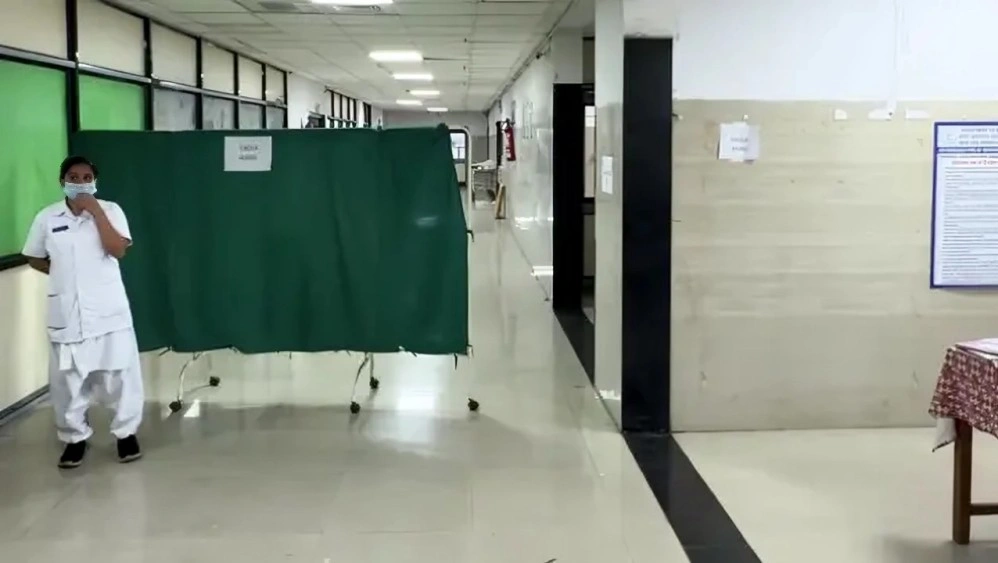
Surat Civil Hospital on Ebola Alert With 10-Bed Isolation Ward
Surat Civil Hospital has activated a dedicated 10-bed isolation ward and introduced a special emergency response plan following reports of Ebola virus cases in several African countries including Congo, Uganda and South Sudan. Health authorities clarified that there is currently no confirmed Ebola case in Gujarat or anywhere in India, and the arrangements are purely precautionary.
The Gujarat Health Department has instructed hospitals across the state to remain prepared according to central government guidelines and Standard Operating Procedures (SOPs). As part of this preparedness drive, Surat Civil Hospital has strengthened infection-control infrastructure and completed medical staff training.
Surat Civil Hospital Creates Dedicated Ebola Response System
According to officials from Surat Civil Hospital, an advanced isolation unit with 10 dedicated beds has been made operational to manage any suspected Ebola cases.
Special Arrangements Introduced at the Hospital
The hospital administration has introduced:
- Dedicated isolation beds for suspected Ebola patients
- Separate patient entry and exit points
- A dedicated lift facility
- Separate OPD services
- Independent patient data management system
- Ventilator and monitoring support inside the ward
- Fully equipped nursing station
These measures are intended to reduce infection risk and maintain controlled patient movement inside the hospital. Hospital authorities stated that this setup follows preparedness instructions issued by both the Government of Gujarat and the Union Health Ministry.
Medical Teams Trained for Rapid Response
To ensure readiness, nearly 75 doctors from medicine, microbiology and anaesthesia departments have completed specialised training. The administration has also designated senior personnel to coordinate preparedness and emergency response inside the hospital. Training sessions for nursing teams and support staff are expected in the coming days to strengthen operational readiness. Health officials emphasised that preparedness today helps reduce risk if a public health emergency occurs in the future.
Gujarat and India Remain Ebola-Free
State Health Minister Praful Pansheriya reviewed preparedness measures and reiterated that there is no Ebola infection reported in Gujarat or India at present. Authorities requested citizens to avoid panic and rely only on official updates.
India has also strengthened:
- Surveillance at airports
- Traveller screening protocols
- Quarantine preparedness
- Hospital infection-control systems
- Laboratory readiness for testing suspected samples
The Union Health Ministry has coordinated with agencies including NCDC, ICMR and aviation authorities to maintain monitoring across entry points.
What Is Ebola Virus?
Origin of Ebola
Ebola Virus Disease (EVD) is a severe viral illness that affects humans and some animals. The disease was first identified in 1976 near the Ebola River in Africa, from which it gets its name.
Transmission generally occurs through:
- Contact with infected animals
- Direct contact with bodily fluids of infected individuals
- Exposure to contaminated materials or medical equipment
Ebola is not an airborne disease in normal conditions but spreads through close physical exposure.
Ebola Symptoms: Early Signs to Watch
Symptoms usually appear between 2 and 21 days after exposure.
Early Symptoms
- Sudden high fever
- Extreme weakness
- Muscle pain
- Headache
- Sore throat
Progressive Symptoms
- Vomiting
- Diarrhoea
- Liver complications
- Kidney dysfunction
Severe Symptoms
- Internal bleeding
- Bleeding from gums
- Blood in vomit or stool
For More Details, Visit WHO Website
Treatment and Prevention of Ebola
Current Treatment Approach
There is no universal cure for every Ebola strain, but supportive treatment significantly improves survival chances.
Doctors generally provide:
- Intravenous fluids (IV)
- Electrolyte balance
- Oxygen support
- Blood pressure management
Specific antibody therapies and vaccines have also been introduced in selected high-risk regions. However, treatment protocols vary depending on the virus strain and public health guidance.
How to Stay Safe
- Follow travel advisories
- Avoid direct contact with infected individuals
- Practice hand hygiene
- Use protective equipment in healthcare environments
- Seek medical advice if symptoms develop after international travel
Public Advisory
Surat Civil Hospital and Gujarat health authorities have stressed that these preparations are preventive and precautionary measures only. Citizens are advised to remain informed, avoid misinformation and continue normal activities while following official health advisories.
Watch Latest News Videos on KRH News: Click Here