


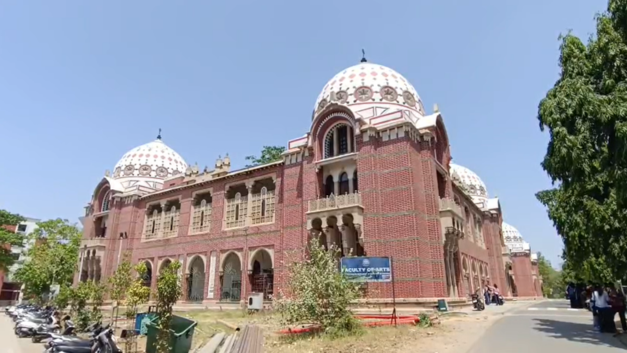
MSU Brings Major Changes to Academic Curriculum
Maharaja Sayajirao University of Baroda (MSU) has introduced significant changes to its academic curriculum, adding new subjects such as “History of RSS” and “Modi Thought.”
The move is aimed at providing students with a deeper understanding of India’s cultural foundations and ideological developments. University authorities stated that the updated syllabus reflects an effort to align education with India’s historical and intellectual traditions.
Focus on Cultural Roots and National Awareness
According to university officials, the primary objective of the new curriculum is to connect students with India’s cultural heritage and value systems.
The revised syllabus places special emphasis on:
- Cultural nationalism
- Environmental conservation
- Social values and responsibility
Educators believe that these additions will help students develop a stronger sense of national identity and awareness. The university administration highlighted that understanding different ideological perspectives is important for holistic education.
Inclusion of RSS History and Modi Thought
The inclusion of topics related to Rashtriya Swayamsevak Sangh (RSS) history and the thoughts of Narendra Modi has drawn significant attention.
Officials clarified that these subjects are being introduced as part of academic study to help students explore India’s socio-political evolution and leadership philosophies. The university maintains that the curriculum is designed to encourage critical thinking and informed understanding rather than promote any specific viewpoint.
Academic Perspective Behind the Changes
Faculty members have supported the initiative, stating that education should include diverse perspectives to provide a comprehensive learning experience.
They believe that exposure to ideological frameworks can:
- Enhance analytical thinking
- Encourage informed debates
- Build responsible citizenship
Teachers also emphasized that such topics will be taught in an academic and research-oriented manner.
Mixed Reactions from Different Sections
The curriculum changes have sparked varied reactions among students, educators, and the public.
Supporters Say:
- The move strengthens cultural awareness
- It promotes national values and identity
- It adds depth to social science education
Critics Argue:
- Education should remain free from political influence
- Academic neutrality must be maintained
- Curriculum changes should focus more on global competitiveness
This debate highlights the broader discussion around the role of ideology in education.
A New Direction for Higher Education
With these changes, MSU appears to be moving toward a new academic direction that integrates cultural, social, and ideological elements into mainstream education. Experts suggest that such reforms could influence future curriculum designs in other universities as well.
The impact of this decision will likely be observed over time in terms of student engagement, academic discourse, and overall learning outcomes.
MSU’s Curriculum Shift to Shape Future Discourse
The introduction of new subjects at Maharaja Sayajirao University of Baroda marks a significant shift in the approach to higher education.
While the move aims to deepen students’ understanding of India’s cultural and ideological landscape, it has also opened up important conversations about the role of education in shaping perspectives. As the new curriculum is implemented, its real impact on students and academic environments will become clearer in the coming years.
For now, MSU’s initiative stands as a noteworthy development in India’s evolving education system.
Also read, Vadodara Municipal Corporation Election Result 2026: BJP Wins 69 Seats
Watch Latest News Videos on KRH News: Click Here