


Mysterious Fire Raises Serious Questions in this incident
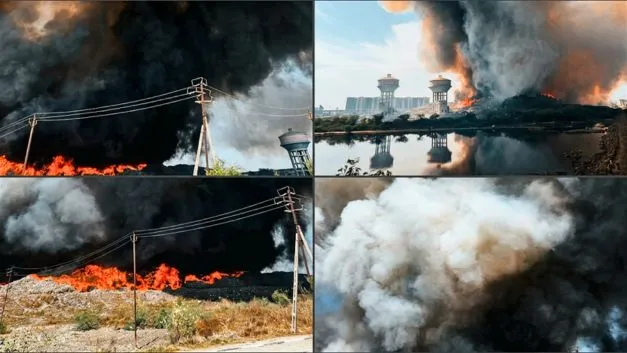
The massive fire at the Khajod dumping site in Surat has sparked widespread concern and debate. What initially appeared to be an unfortunate accident is now being viewed through a more critical lens, especially given the ongoing controversy surrounding waste management contracts in the city.
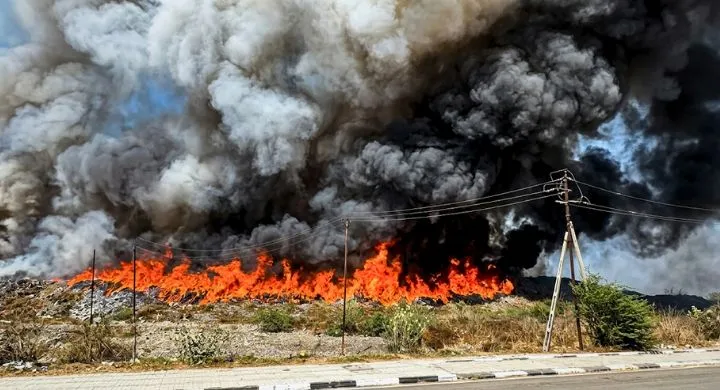
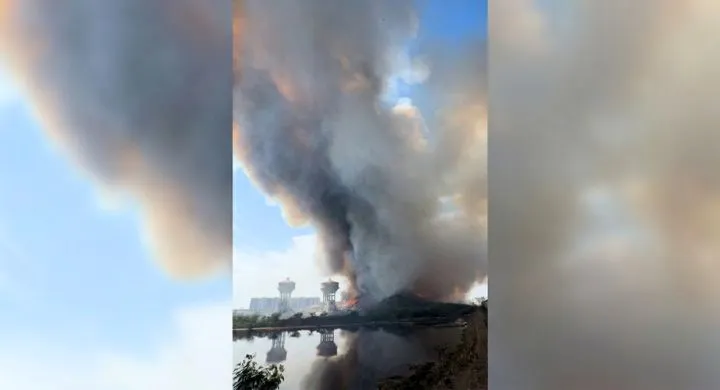
The most alarming aspect of the incident is that the fire remained uncontrollable even after 25 hours, despite the fire department using over 800,000 liters of water. This clearly indicates the intensity and scale of the fire. Moreover, thick smoke was visible up to 5 kilometers away, shocking residents and raising environmental concerns.
Another important question is how such a fire could break out in a highly restricted and secured area where even elected representatives require permission to enter. This adds to the suspicion that the incident may not be entirely accidental.
Administrative Negligence and Delayed Response
One of the key concerns in this case is the response of the authorities. While the fire was reported at 10:41 AM, there are allegations that the reaction from officials was not immediate or effective.
There are claims that the fire brigade arrived late and that the situation was not handled with the urgency it demanded in the initial hours. This delay possibly allowed the fire to spread rapidly across the dumping site. The fact that smoke spread across large parts of the city reflects how quickly the situation escalated.
Timely action is crucial in such emergencies, and the apparent delay has led to criticism of the administration. Many believe that if the response had been faster, the damage could have been minimized significantly.
Possible Link to the Waste Management Scam
The timing of the fire has raised suspicions about its connection to the ongoing waste management controversy. Over the past month, allegations have surfaced about irregularities in the processing and disposal of waste.
According to these claims, the contractor responsible for scientifically managing the waste was instead dumping it illegally in other areas. Authorities had already issued notices and penalties, and an investigation was underway.
The sudden outbreak of fire during such a sensitive period has led to serious accusations. Critics argue that the fire might have been deliberately set to destroy evidence and mislead the ongoing investigation. While there is no confirmed proof yet, the coincidence has certainly intensified doubts.
Was the Fire Pre-Planned? (Key Points)
- The dumping site has strict security measures, making unauthorized access extremely difficult.
- The fire broke out during an ongoing investigation into a major scam.
- There was a noticeable delay in administrative response.
- The fire spread unusually fast and on a large scale.
- The opposition has alleged an attempt to protect the contractor and eliminate evidence.
Disadvantages and Impact of the Incident
The consequences of this fire extend beyond the immediate damage and have affected multiple aspects of city life:
Environmental Damage:
The fire released harmful smoke into the air, significantly increasing pollution levels and affecting air quality.
Health Risks:
Residents in nearby areas may face respiratory issues, allergies, and other health complications due to prolonged exposure to toxic fumes.
Loss of Public Trust:
Incidents like this reduce confidence in the administration and raise concerns about transparency and accountability.
Financial Burden:
A large amount of resources, including water and manpower, was used to control the fire, leading to increased expenses.
Political Tensions:
The situation has intensified conflicts between authorities and opposition parties, turning the issue into a major political controversy.
Also read, Gas Shortage Across the State Exposes Shocking Rule Violation in Bardoli
Conclusion
The Khajod dumping site fire is no longer just an isolated incident; it has become a symbol of deeper systemic issues. Whether it was an accident or a deliberate act remains to be determined, but the event has undoubtedly exposed serious gaps in management, accountability, and emergency response.
It is essential that a fair and transparent investigation is conducted, and strict action is taken against anyone found responsible. More importantly, preventive measures must be implemented to ensure that such incidents do not occur again in the future.
This incident serves as a reminder that development must go hand in hand with responsibility, regulation, and transparency.