


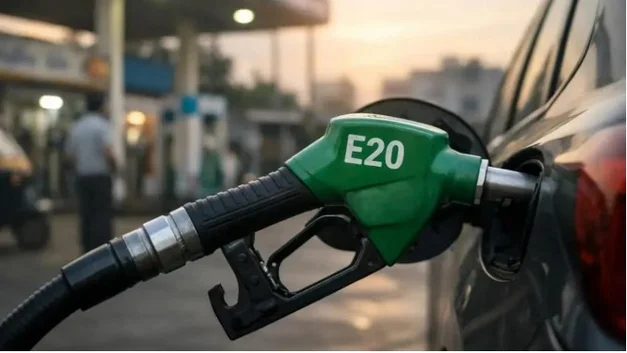
E20 Blended Petrol In India: A Complete Analysis Of The New Fuel System And Its Impact On Vehicles
“E20 petrol India is rapidly changing the fuel system and impacting car performance, mileage, and engine health.”
What is E20 Blended Petrol?
E20 blended petrol is a new type of fuel that consists of 80% petrol and 20% ethanol. Ethanol is an alcohol-based biofuel derived from agricultural crops such as sugarcane, corn, and wheat. It is considered a renewable and cleaner alternative to conventional fossil fuels.
The introduction of E20 marks a significant shift from the earlier E10 fuel, which contained only 10% ethanol. This transition is part of India’s long-term strategy to adopt more sustainable energy sources and reduce environmental pollution.
Understanding Fuel Blending and Its Importance
Fuel blending refers to the process of mixing petrol with certain additives to improve its quality and efficiency. These additives include detergents, antioxidants, corrosion inhibitors, and octane boosters.
Ethanol plays a crucial role as an octane booster, which enhances engine performance and reduces knocking. With E20 fuel, the octane rating increases, leading to better combustion and smoother engine operation.
Why is India Moving Towards E20 Petrol?
The shift towards E20 petrol is driven by several important factors:
- Reduction in crude oil imports, saving significant foreign exchange
- Lower carbon emissions, helping control air pollution
- Support to farmers, as ethanol production depends on agricultural crops
- Improved energy security, reducing dependence on other countries
This move reflects a balanced approach towards both economic growth and environmental sustainability.
Impact of E20 Petrol on New Cars
Vehicles manufactured after April 2023 are designed to be E20-compatible, meaning they can safely run on this fuel without any major issues.
These vehicles are equipped with advanced materials and technologies that can handle ethanol’s properties. As a result:
- Engine performance remains stable
- No significant damage occurs
- Longevity of the engine is maintained
In simple terms, new cars are fully prepared for E20 fuel usage.
Impact of E20 Petrol on Old Cars
The major concern arises for vehicles manufactured before April 2023, as they may not be fully compatible with E20 petrol.
Damage to Engine Components
Ethanol has a corrosive nature, which can affect rubber and plastic components such as hoses, seals, and gaskets. Over time, this may lead to faster wear and tear.
Moisture Absorption Issues
Ethanol tends to absorb moisture from the air, which can result in:
- Rust formation in metal parts
- Fuel contamination
- Damage to the fuel system
Reduction in Fuel Efficiency
Many users have experienced a slight drop in mileage, typically between 1% and 6%.
Warranty Concerns
Using E20 fuel in vehicles not designed for it may void the manufacturer’s warranty, leading to additional risks for car owners.
Long-Term Engine Impact
Although the vehicle may run normally in the short term, continuous use of E20 fuel can increase long-term engine wear and maintenance requirements.
Key Features of E20 Petrol
- Contains 20% ethanol blend
- Higher octane rating compared to regular petrol
- Cleaner combustion process
- Derived from renewable agricultural sources
- Supports sustainable fuel practices
Advantages of E20 Petrol
- Reduces air pollution and harmful emissions
- Decreases dependence on imported oil
- Supports farmers and rural economy
- Improves combustion efficiency
- Promotes use of renewable energy
Disadvantages of E20 Petrol
- Not fully suitable for older vehicles
- Can damage rubber and plastic components
- Slight reduction in fuel efficiency
- Higher maintenance needs
- Risk of corrosion in fuel systems
- Possible warranty issues
Conclusion
E20 blended petrol represents a major transformation in India’s fuel ecosystem, aiming to create a cleaner and more sustainable future. While it offers significant benefits such as reduced emissions and lower oil imports, it also presents certain challenges, particularly for older vehicles.
The key takeaway is clear:
New vehicles can safely use E20 fuel, while older vehicle owners must remain cautious and ensure proper maintenance.
With awareness and proper care, this transition can be managed effectively, making E20 petrol a positive step towards a greener and more self-reliant India.
Watch Latest News Videos on KRH News: Click Here
Government fuel policy update: Click Here