


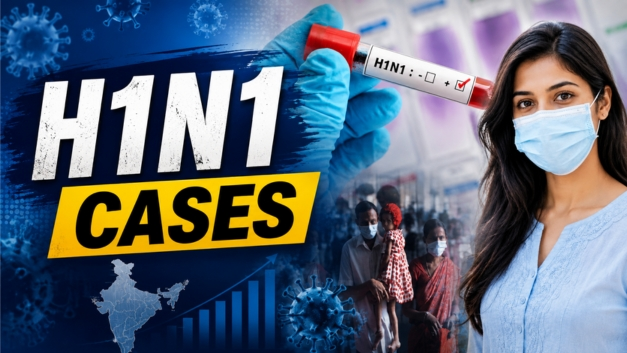
NEW DELHI H1N1 Cases: India’s capital region is witnessing a sharp uptick in seasonal influenza cases, with Delhi alone recording 1,349 confirmed cases of H1N1 (swine flu) so far this year. According to official updates from health authorities, the current monsoon season has triggered a nearly sixfold jump compared to the corresponding period last year, prompting medical experts to urge caution and early symptom reporting.
Key Highlights of the H1N1 Cases
- Rising Numbers: Delhi has crossed over 1,300 confirmed cases, a substantial leap from the 229 cases reported during a similar timeframe last year.
- Regional Spread: Hospitals across the broader National Capital Region (NCR), including pockets in Gurgaon and Faridabad, are observing a high volume of patients presenting with influenza-like illness (ILI).
- No Fatalities Reported: Government officials have confirmed that while transmission is high, prompt clinical evaluation and management have ensured that no deaths have been linked to H1N1 in the capital so far.
Government and Hospital Readiness
Addressing the media, health representatives noted that special infrastructure—including dedicated screening zones, testing kits, and isolated medical wards—has been scaled up across state-run and private healthcare facilities.
Because initial symptoms of H1N1 heavily overlap with other seasonal complications like dengue and viral fevers, doctors are relying on careful clinical screening rather than universal testing to identify high-risk cases. While the vast majority of patients recover with basic rest and outpatient care, a small fraction (roughly 1% to 2%) require targeted hospital intervention, particularly when viral pneumonia sets in.
Vulnerable Groups & Warning Signs
Medical professionals emphasize that while healthy individuals typically recover from H1N1 within a week, the virus can pose serious risks to specific vulnerable populations:
- High-Risk Demographics: Young children, pregnant women, older adults, and individuals with underlying chronic conditions (such as diabetes, heart or lung disease, or compromised immunity) are at a much higher risk of developing severe complications.
- Red-Flag Symptoms: Persistent high fever, worsening cough, chest discomfort, breathlessness, and extreme lethargy should never be ignored or brushed off as an ordinary cold.
Prevention and Treatment Guidelines
- Avoid Self-Medication: Health experts strongly caution against taking antibiotics for viral infections, as they are ineffective against H1N1 and contribute to antimicrobial resistance. Antiviral medications should strictly be administered based on a physician’s prescription.
- Vaccination & Hygiene: Annual influenza vaccination remains one of the most reliable shields against severe illness. Citizens are advised to adhere to basic safety measures, including regular hand washing, practicing proper cough etiquette (covering the mouth and nose), and staying home when unwell to prevent community spread.
Also read, Solar Eclipse 2026 Tomorrow: Will August 12 Total Surya Grahan Be Visible in India?
Watch Latest News Videos on KRH News: Click Here