


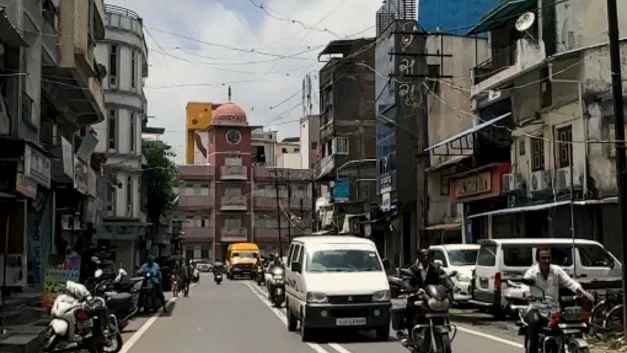
Health Department Urges Citizens to Take Precautions During Extreme Summer Heat
As temperatures continue to rise across Navsari and nearby regions, health authorities have issued an urgent advisory warning citizens about the dangers of sunstroke, commonly known as heatstroke. With the peak summer season intensifying, prolonged exposure to the sun and excessive physical exertion can lead to serious health complications.
The advisory highlights that rising temperatures can cause a sudden increase in body heat, while dehydration leads to a drop in essential fluids and salts in the body. This combination can trigger life-threatening conditions if not addressed in time.
Understanding Sunstroke: A Serious Summer Health Risk
What Causes Sunstroke?
Sunstroke occurs when the body loses its ability to regulate temperature due to prolonged exposure to high heat. It is often accompanied by dehydration, which worsens the condition.
In regions like South Gujarat, where humidity levels are also high, the risk of heat-related illnesses increases significantly. Outdoor workers, daily wage laborers, and individuals traveling during peak afternoon hours are particularly vulnerable.
Common Symptoms of Sunstroke You Should Not Ignore
Early Warning Signs
Health experts emphasize recognizing early symptoms to prevent complications. These include:
- Persistent headache
- Nausea and vomiting
- Restlessness or discomfort
- High fever
- Severe pain in body, arms, and legs
- Excessive thirst
Severe Symptoms That Require Immediate Attention
In more critical cases, individuals may experience:
- Heavy sweating followed by dry skin
- Dizziness and confusion
- Rapid breathing
- Increased heart rate
- Fainting or unconsciousness
A particularly dangerous sign is when the skin becomes hot, red, and dry, indicating that the body’s cooling mechanism has failed.
Preventive Measures to Stay Safe During Heatwave
Stay Hydrated and Avoid Direct Sun Exposure
Authorities strongly recommend limiting outdoor activities during peak heat hours, typically between 12 PM to 4 PM.
To maintain hydration levels, citizens should consume:
- Lemon water (nimbu sharbat)
- Sugarcane juice
- Fresh fruit juices
- Oral Rehydration Solutions (ORS)
Regular intake of fluids helps replenish lost salts and prevents dehydration.
Dress Smart and Protect Your Body
Wearing appropriate clothing can significantly reduce the impact of heat:
- Choose light-colored, loose-fitting clothes
- Cover your body as much as possible
- Wear sunglasses to protect your eyes
- Use caps or hats to shield your head
In extreme conditions, covering the head with a damp cloth can provide additional cooling and protection.
High-Risk Groups Need Extra Care
Children, Pregnant Women, and Elderly Most Vulnerable
Special precautions are necessary for:
- Young children
- Pregnant women
- Senior citizens
These groups are more susceptible to dehydration and heat-related illnesses. It is advisable for them to avoid stepping out during peak heat hours unless absolutely necessary.
Additionally, people are advised:
- Not to remain hungry for long periods
- Avoid walking barefoot on hot surfaces
- Take frequent breaks if working outdoors
What to Do If You Notice Sunstroke Symptoms
Seek Immediate Medical Attention
If any symptoms of sunstroke are observed, immediate action is crucial. Citizens are advised to:
- Move the affected person to a cool or shaded area
- Provide fluids if the person is conscious
- Avoid delaying medical assistance
Prompt treatment at the nearest government hospital or healthcare center can prevent serious complications and save lives.
Rising Heatwaves in India: A Growing Concern
Impact of Climate Change on Urban Heat
Heatwaves have become increasingly frequent and intense across India in recent years. According to meteorological trends, cities in Gujarat, including Navsari and Surat, often experience extreme summer temperatures that can exceed safe limits.
Urbanization, reduced green cover, and rising pollution levels contribute to the “urban heat island” effect, making cities significantly hotter than surrounding rural areas.
This makes public awareness and preparedness more important than ever.
Government Advisory Focuses on Awareness and Prevention
Simple Steps Can Save Lives
The health department has emphasized that awareness and timely precautions are the most effective ways to prevent sunstroke.
Citizens are encouraged to:
- Stay informed about weather updates
- Plan outdoor activities during cooler hours
- Keep emergency contacts handy
- Educate family members about heat safety
Community-level awareness can play a key role in reducing heat-related illnesses during the summer season.
Stay Alert, Stay Hydrated, Stay Safe
With temperatures expected to remain high in the coming weeks, residents of Navsari and surrounding areas must remain cautious and proactive.
Sunstroke is preventable, but only if timely steps are taken. By staying hydrated, avoiding unnecessary exposure to heat, and recognizing early symptoms, citizens can protect themselves and their families.
The message from authorities is clear – prevention and awareness are the best defences against the harsh summer heat.
Also read, 10 Tips for Beat the Heat This Summer Season
Watch Latest News Videos on KRH News: Click Here