


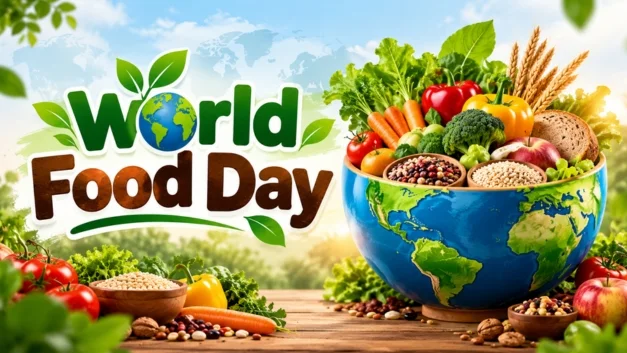
World Food Day is observed every year on October 16 to raise awareness about hunger, food security, nutrition and the importance of building sustainable food systems. The day brings governments, organisations, communities, farmers and individuals together to focus on one of the world’s most fundamental needs — access to safe and nutritious food.
When Is World Food Day Celebrated?
World Food Day is celebrated annually on October 16. The date marks the founding of the Food and Agriculture Organization of the United Nations (FAO) in 1945. The first World Food Day was observed in 1981, and it has since become an important international day focused on hunger, agriculture and food security.
Why Is World Food Day Important?
Food is essential for human health and development, but millions of people around the world continue to face hunger or lack regular access to nutritious food.
World Food Day aims to draw attention to issues such as:
- Hunger and malnutrition
- Food insecurity
- Poverty and unequal access to food
- Sustainable agriculture
- Climate change and its impact on food production
- Food waste
- Support for farmers and food producers
- Healthy and nutritious diets
The day also reminds people that food security is not only about producing enough food. It also involves ensuring that people can access affordable, safe and nutritious food.
History of World Food Day
World Food Day was established to commemorate the founding of the FAO on October 16, 1945.
The United Nations later officially recognised the day as an opportunity to increase public awareness about global hunger and encourage international cooperation to improve agriculture and food systems. Over the years, World Food Day has developed into a global campaign involving schools, governments, NGOs, farmers’ organisations, businesses and communities.
How Is World Food Day Celebrated Around the World?
World Food Day is marked through a wide range of activities in different countries.
1. Awareness Campaigns
Governments and organisations conduct awareness programmes about hunger, nutrition, sustainable agriculture and food security. Social media campaigns are also used to educate people about global food challenges and encourage responsible food consumption.
2. School and College Programmes
Educational institutions often organise:
- Essay competitions
- Drawing competitions
- Food awareness campaigns
- Nutrition workshops
- Seminars and discussions
- Food collection drives
These activities help young people understand the importance of food and the challenges faced by vulnerable communities.
3. Food Donation Drives
Charities and community organisations organise food donation programmes to support people experiencing food insecurity. People may contribute packaged food, grains or other essential items to local organisations and community kitchens.
4. Farmers and Sustainable Agriculture
In many countries, World Food Day events highlight the role of farmers and food producers. Discussions often focus on sustainable farming, water conservation, soil health, climate-resilient agriculture and technologies that can improve food production.
5. Nutrition and Healthy Eating Events
Hospitals, schools, community groups and health organisations may conduct programmes promoting balanced diets and better nutrition. The focus is often on making healthy food choices and understanding the importance of fruits, vegetables, grains, proteins and other essential nutrients.
World Food Day in India
In India, World Food Day provides an opportunity to discuss food security, nutrition, agriculture and food wastage.
Schools, colleges, NGOs and government organisations can use the occasion to conduct awareness campaigns, nutrition programmes and community initiatives. India’s large agricultural sector also makes farmers, food production and sustainable farming important parts of the conversation.
The day can also encourage citizens to think about food waste at homes, restaurants, events and workplaces.
The Importance of Reducing Food Waste
One of the important messages associated with World Food Day is that food should not be unnecessarily wasted.
Simple actions can make a difference, such as:
- Buying only what is needed
- Storing food properly
- Using leftovers creatively
- Sharing surplus food
- Avoiding unnecessary food waste at events
- Composting suitable food waste
Reducing food waste can help households save money while also reducing the environmental impact associated with food production and disposal.
What Can Individuals Do on World Food Day?
World Food Day is not only about government programmes or international organisations. Individuals can also participate.
People can:
- Donate food to a trusted local organisation.
- Avoid wasting food at home.
- Learn more about nutrition and healthy diets.
- Support local farmers and food producers.
- Encourage children to respect food and avoid wastage.
- Share verified information about hunger and food security.
- Participate in community food programmes.
World Food Day: A Reminder About Food for Everyone
World Food Day is ultimately a reminder that food is a basic human necessity and access to nutritious food is closely connected with health, education, economic development and quality of life.
As the world faces challenges including climate change, population growth, economic inequality and changing food systems, ensuring sustainable access to nutritious food remains a shared responsibility. From governments and farmers to businesses and ordinary households, everyone has a role to play in creating a food system where less food is wasted and more people have access to safe and nutritious food.
Also read, World Mental Health Day 2026: Date, Theme, History, Importance and Ways to Support Mental Well-Being
Watch Latest News Videos on KRH News: Click Here