


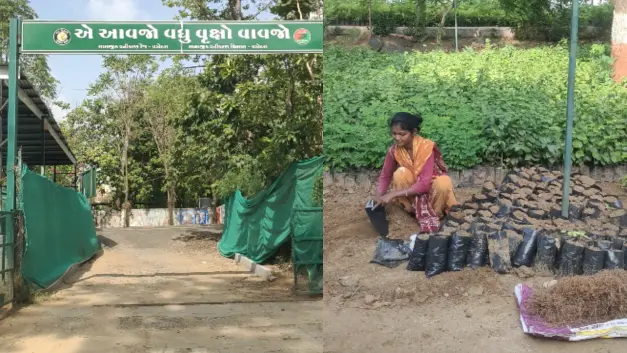
As the world observes World Environment Day, Vadodara is setting an inspiring example of environmental conservation through the remarkable efforts of the Social Forestry Department. At the heart of this green movement lies the historic Sayajibaug Nursery, which has emerged as one of the most important centers for tree plantation and environmental sustainability in the district.
Operating under the Gujarat Forest Department, the Social Forestry Division of Vadodara has prepared approximately 1.83 lakh saplings that are being distributed and planted across various parts of the district. The initiative aims to increase green cover, combat climate change, improve air quality, and promote ecological balance at a time when environmental concerns are becoming increasingly significant worldwide.
Sayajibaug Nursery Becomes Hub of Vadodara’s Green Mission
A Historic Nursery Supporting Environmental Conservation
Located opposite Bal Bhavan in Karelibaug, Sayajibaug Nursery has played a crucial role in promoting greenery across Vadodara for decades. Established during 1977-78, the nursery has grown into a major center for raising healthy and diverse plant species for plantation drives.
Spread across approximately 1 hectare and 824 square meters, the nursery is equipped with reliable water facilities through borewell and municipal water connections, ensuring the healthy growth of thousands of saplings throughout the year. Today, it serves as a vital resource for environmental campaigns, urban greening projects, educational institutions, government departments, and citizens interested in tree plantation.
1.83 Lakh Saplings Ready for Distribution
According to officials from the Social Forestry Department, the nursery currently houses around 183,000 saplings of different sizes and species.
The saplings have been cultivated in various polybag sizes to support healthy growth and easy transplantation:
- 20,000 saplings in 10×20 cm polybags
- 60,000 saplings in 15×25 cm polybags
- 20,000 saplings in 20×30 cm polybags
- 8,000 saplings in 30×40 cm polybags
- 75,000 saplings in 15×20 cm polybags
These saplings are being utilized for plantation drives and distributed free of cost across different locations in Vadodara district.
Diverse Plant Species Available for Plantation
More Than 30 Varieties of Trees Being Cultivated
One of the key strengths of the Sayajibaug Nursery is its biodiversity. The nursery maintains a wide variety of tree species suitable for urban landscapes, public spaces, rural plantations, and ecological restoration projects.
Some of the major species available include:
- Gulmohar
- Karanj
- Kanchanar
- Red Sandalwood
- Eucalyptus
- Mango
- Jamun
- Guava
- Banyan
- Rayan
- Shetur (Mulberry)
- Drumstick Tree (Moringa)
- Neem
- Nagod
- Sindoor
- Kailaspati
Officials estimate that between 30 and 40 different species are currently being cultivated to support diverse environmental requirements.
Importance of Native and Shade-Giving Trees
Experts emphasize that planting indigenous and climate-resilient tree species helps improve biodiversity, support local wildlife, reduce urban heat, and strengthen environmental sustainability. Many of the species grown at the nursery are selected specifically for their ecological benefits and adaptability to Gujarat’s climate.
Social Forestry Department’s Contribution to Environmental Protection
Fighting Climate Change Through Tree Plantation
The Social Forestry Department has been playing an important role in Gujarat’s efforts to address environmental challenges such as:
- Global warming
- Air pollution
- Declining green cover
- Soil degradation
- Biodiversity loss
Large-scale plantation campaigns contribute significantly to carbon absorption and environmental restoration. As climate change continues to impact weather patterns globally, experts increasingly recognize tree plantation as one of the most effective long-term solutions for improving ecological balance.
Community Participation Encouraged
The department regularly collaborates with:
- Schools and colleges
- Local government bodies
- NGOs
- Resident welfare associations
- Industries and corporate organizations
Such partnerships help expand awareness about environmental conservation while increasing community participation in plantation activities.
Why Tree Plantation Matters More Than Ever
Environmental Benefits of Trees
Trees play a critical role in maintaining ecological health. Their benefits include:
- Producing oxygen
- Absorbing carbon dioxide
- Improving air quality
- Conserving groundwater
- Preventing soil erosion
- Supporting biodiversity
- Reducing urban temperatures
In rapidly urbanizing cities such as Vadodara, expanding green cover has become increasingly important for sustainable development.
Urban Green Spaces Improve Quality of Life
Studies across the world have shown that green spaces contribute positively to physical health, mental well-being, and overall quality of life. Initiatives such as those undertaken by the Social Forestry Department help create healthier and more livable cities for future generations.
Also read, World Environment Day 2026: Theme, Key Facts, and the Crucial Future of Our Earth
World Environment Day 2026 Highlights Need for Action
Global Focus on Environmental Sustainability
World Environment Day serves as a reminder that environmental protection requires collective responsibility. Governments, organizations, communities, and individuals all play important roles in preserving natural resources and combating climate change.
The efforts being made through Vadodara’s Sayajibaug Nursery demonstrate how local initiatives can contribute to larger environmental goals. By producing and distributing over 1.83 lakh saplings, the Social Forestry Department is helping transform environmental awareness into meaningful action.
Final Thought
As the world marks World Environment Day 2026, Vadodara’s Sayajibaug Nursery stands as a symbol of environmental commitment and sustainable development. With 1.83 lakh saplings ready for plantation and distribution, the Social Forestry Department continues to play a vital role in expanding green cover across the district.
From climate change mitigation to biodiversity conservation, the nursery’s contribution highlights the importance of grassroots environmental initiatives. As cities continue to grow, such efforts will remain essential for building a greener, healthier, and more sustainable future for Gujarat and beyond.
Also read, Vadodara Mayor Geetaben Makwana Begins Pre-Monsoon Drive
Watch Latest News Videos on KRH News: Click Here