


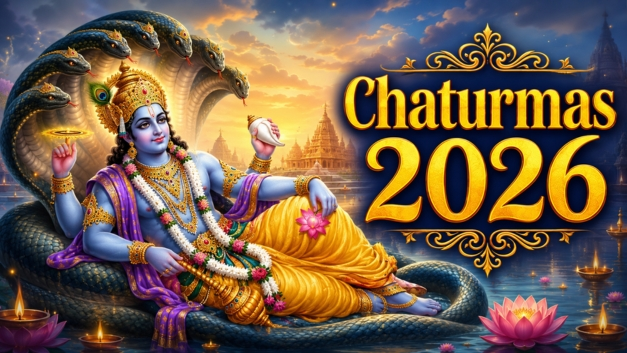
Chaturmas 2026: For anyone unfamiliar with the rhythm of traditional Indian calendars, certain times of the year can seem wrapped in mystery. You might have heard elders mention that an upcoming season pauses weddings, changes daily menus, and shifts focus entirely toward inner peace. That period is Chaturmas.
Literally translating to “four months” in Sanskrit (chatur meaning four, masa meaning month), Chaturmas is a foundational period of penance, fasting, and deep spiritual discipline across Hinduism, Jainism, and Buddhism. It directly coincides with the Indian monsoon season- a time when nature undergoes dramatic transformation, and human lifestyles traditionally adapt to stay healthy, grounded, and introspective.
Whether you are planning to observe your very first seasonal vow or are simply curious about why these months carry such immense cultural weight, this comprehensive guide lays out everything you need to know about Chaturmas 2026.
Important Dates for Chaturmas 2026
Because the holy period follows the lunar Hindu calendar, its dates shift slightly on the Gregorian calendar every year. In 2026, the timeline is as follows:
- Chaturmas Begins: July 25, 2026 (Ashadha Shukla Ekadashi, widely known as Devshayani Ekadashi).
- Chaturmas Concludes: November 20, 2026 (Kartik Shukla Ekadashi, known as Devutthana Ekadashi or Prabodhini Ekadashi).
This spans a total of roughly 119 days. It is deeply intertwined with cosmic cycles: according to sacred Puranic texts, Devshayani Ekadashi marks the day Lord Vishnu enters Yoga Nidra (a deep, meditative divine slumber) atop his serpent cosmic couch, Sheshanaga, in the cosmic ocean (Kshirasagar). He awakens four months later on Devutthana Ekadashi, signaling the return of vibrant societal celebrations.
The Core Philosophy: Why Do We Observe It?
At its heart, Chaturmas is an ancient masterclass in synchronous living with nature. Before modern transport and paved roads, traveling during the heavy Indian monsoon was dangerous and destructive. Rivers overflowed, roads turned to mud, and millions of tiny insects and seasonal organisms emerged on the earth.
To avoid accidentally harming these tiny living beings (Ahimsa) and to protect themselves from waterborne ailments, wandering monks and householders alike stopped traveling. They stayed in one location, turned their energy inward, and dedicated their extra time to scriptural study and meditation.
From a physiological perspective, our digestive fire (Jataragni) naturally slows down during high humidity and overcast rainy months. By introducing strict fasting rules and clean diets, Chaturmas acts as an annual physical detox that prevents seasonal sickness.
Dietary Vows: What Follows?
The most famous aspect of Chaturmas is its structured dietary adjustments. The four-month period is divided into individual lunar months, each carrying a specific restriction (Vrata) aimed at cleansing the digestive system and building mental discipline.
| Holy Month | Primary Restriction | Biological & Spiritual Reasoning |
| 1. Shravan (July – Aug) | Green Leafy Vegetables (Spinach, fenugreek, cabbage, etc.) | During peak rains, leafy greens are highly susceptible to breeding pests and collecting excessive soil contaminants. |
| 2. Bhadrapada (Aug – Sep) | Curd and Yogurt | Fermented dairy items can aggravate internal phlegm and disrupt digestion when the weather fluctuates. |
| 3. Ashwin (Sep – Oct) | Raw Milk | Traditionally linked to shifts in cattle diet during late monsoon, making milk slightly harder to digest. |
| 4. Kartik (Oct – Nov) | Pulses, Lentils & Multi-seeded Fruits | Gives the liver a final rest from processing heavy proteins before the winter digestive spark returns. |
Alongside these specific monthly rules, many observant families choose to completely eliminate onion, garlic, and heavy non-vegetarian food for the entirety of the four months to maintain a pure, peaceful state of mind (Sattvic lifestyle).
How to Celebrate and Practice Daily Disciplines
You don’t have to abandon your routine or move to a monastery to experience the benefits of Chaturmas. Modern devotees seamlessly weave small, impactful habits into their daily urban lives:
1. Practicing Maun Vrat (Silence)
Many choose to practice absolute silence for a designated hour every day, or specifically while consuming meals. Eating mindfully without digital distractions or talking allows you to truly connect with the fuel you are putting into your body.
2. Embracing Single-Meal Fasting (Ekabhukta)
A common practice during these months is eating only one main, wholesome meal a day, typically in the afternoon. Evening hours are kept light with simple liquids, fruits, or completely empty to allow the stomach to rest.
3. Dedicated Scriptural Readings
With standard social distractions dialed down, this is the ideal window for self-education. Setting aside 15 minutes a morning to read a chapter of the Bhagavad Gita, the Upanishads, or local spiritual books provides immense mental clarity.
The Festive Heart of Chaturmas
While large-scale celebrations like weddings (Vivah Muhurats), housewarmings (Griha Pravesh), and major business launches are paused because Lord Vishnu is considered to be resting, Chaturmas is actually the most festive block of the year for spiritual occasions.
Because people are already fasting and staying close to home, major community festivals naturally cluster inside this four-month window:
- Raksha Bandhan & Krishna Janmashtami (Falling during the holy month of Shravan)
- Ganesh Chaturthi (The grand highlight of Bhadrapada)
- Sharad Navratri & Dussehra (The vibrant celebration of cosmic energy in Ashwin)
- Diwali (The brilliant festival of lights culminating in the month of Kartik)
The entire period ends with a joyful ceremony called Tulsi Vivah on the final Ekadashi in November, where the holy basil plant is symbolically wedded to Lord Krishna, officially opening up the wedding season once again.
Note: All the details, ancestral practices, and traditional guidelines mentioned in this article are compiled based on various religious scriptures, cultural folklore, and historical individual experiences; we do not prescribe these dietary rules as formal medical advice or declare these practices as strictly mandatory for everyone.
Must read, July 2026 Festivals and Days Complete Calendar & Events
Watch Latest News Videos on KRH News: Click Here