


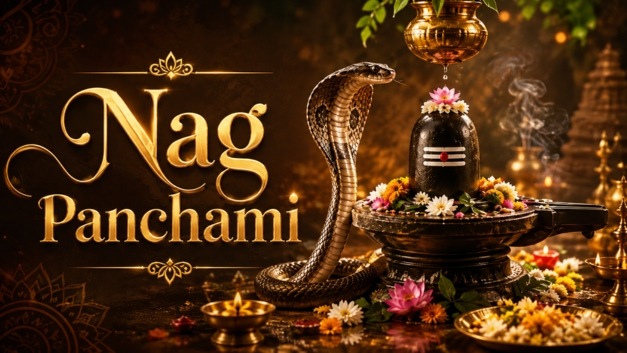
Deeply rooted in ancient traditions and mythology, Nag Panchami is one of India’s most unique and revered festivals dedicated to the worship of serpents, or Nag Devta. Celebrated during the auspicious Hindu month of Shravan (Sawan), this festival highlights humanity’s profound relationship with nature, wildlife preservation, and divine protection.
1. Date of Nag Panchami 2026
In 2026, Nag Panchami falls on Monday, August 17, 2026, across most parts of India (including Uttar Pradesh, Bihar, Maharashtra, Karnataka, and Delhi). Because it is celebrated on the fifth day (Panchami) of the bright fortnight (Shukla Paksha) in the lunar month of Shravan, regional calendar differences mean that some states, like Gujarat, will observe the festival later on Tuesday, September 1, 2026.
2. Historical Background and Mythology
The origins of Nag Panchami are woven into several rich Puranic legends, emphasizing the respect granted to serpents in Hindu cosmology:
- The Churning of the Ocean (Samudra Manthan): During the epic cosmic churning of the milk ocean by the gods and demons, the serpent king Vasuki willingly served as the churning rope wrapped around Mount Mandara. His sacrifice earned him a permanent place of honor.
- Lord Krishna and Kaliya Damana: Another famous legend recounts young Lord Krishna subduing the venomous snake Kaliya in the Yamuna River, compelling the serpent to leave and sparing the village of Vrindavan. Instead of killing Kaliya, Krishna blessed him, promising that anyone who worshiped serpents on Panchami would be protected from snake bites.
- The Mahabharata Connection: The festival is also linked to Janamejaya’s Sarpa Satya Yajna (a massive snake sacrifice) performed to avenge his father’s death. The sacrifice was eventually halted by the sage Astika on Panchami day, saving the serpent race from total extinction.
3. Significance and Importance
Nag Panchami is much more than a ritualistic holiday; it embodies deep ecological and astrological importance:
- Connection to Lord Shiva: Because Nag Panchami 2026 falls on a Monday (the sacred day of Lord Shiva), its spiritual resonance is amplified. Lord Shiva is universally depicted with the serpent Vasuki coiled around his neck, symbolizing mastery over death, fear, and time.
- Astrological Remedies (Kaal Sarp Dosh): In Vedic astrology, serpents are associated with the shadow planets Rahu and Ketu. Devotees suffering from Kaal Sarp Dosh often visit temples on this day to perform special pujas and prayers to seek relief.
- Ecological Balance: Long before modern conservation efforts, festivals like Nag Panchami promoted environmental harmony. Snakes play an indispensable role in agriculture by keeping rodent populations in check, protecting crops, and balancing food webs.
4. How to Celebrate Nag Panchami: Rituals and Puja Vidhi
Observing Nag Panchami involves specific customs designed to invite protection and prosperity into the household:
- Morning Bath and Fasting: Devotees wake up early, take a purifying bath, and take a vow (Sankalpa) to observe a day-long fast for the well-being of their families.
- Creating Images or Idols: In many traditions, pictures or clay idols of serpents (representing the nine divine nagas: Ananta, Vasuki, Shesha, Takshaka, Kaliya, Padma, Karkotaka, Shankha, and Mahapadma) are drawn or placed near the home entrance or puja room.
- Offering Prayers: Milk, clarified butter (ghee), turmeric, vermilion (kumkum), flowers (especially white or yellow), and sweet rice or sweets are offered to the serpent idols or depictions. Real live snakes handled by traditional charmers are also revered in certain rural communities, though modern trends lean heavily toward symbolic worship.
- Chanting Mantras: Devotees chant powerful mantras such as the Nag Gayatri Mantra: “Om Navakulaya Vidmahe विषमदनाय धीमहि तन्नो सर्पः प्रचोदयात्”
- Reading Sacred Stories: Listening to or reading chapters from the Mahabharata or regional folklore detailing the Astika sage story brings good fortune.
Final Thoughts
Nag Panchami 2026 bridges the gap between ancient mythology and modern environmental consciousness. By honoring the serpent deities, society acknowledges the delicate balance of nature, expressing gratitude for protection, and reinforcing the idea that all living creatures—no matter how feared deserve respect and coexistence.
Must read, Independence Day 2026: History, Significance, and Importance
Watch Latest News Videos on KRH News: Click Here