


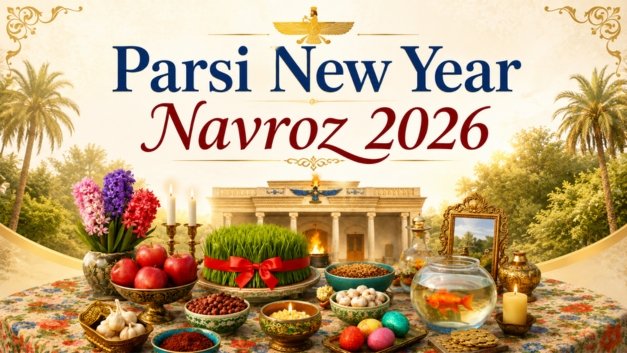
Parsi New Year (Navroz): A vibrant blend of ancient Persian heritage, spiritual renewal, community feasting, and the fascinating reason why it arrives in late summer for some.
If you picture New Year’s celebrations wrapped entirely in winter snow or spring blossoms, prepare for a fascinating cultural pivot. While much of the world welcomes fresh beginnings with the vernal equinox in March, millions of Zoroastrians and the vibrant Parsi community mark their new dawn with a unique twist.
Welcome to Navroz (or Nowruz), a festival that translates literally from Persian as “New Day”. It is a celebration soaked in deep history, sensory-rich culinary traditions, and a profound message of spiritual hygiene and renewal.
Whether you are looking to understand the cultural fabric of this ancient observance or planning how to join the festivities, let’s take a deep dive into the history, global traditions, and unique observance of Parsi New Year.
1. The Roots of Time: History and Legend
To understand Navroz, we have to travel back over 3,500 years to ancient Persia, where Zoroastrianism – one of the world’s oldest monotheistic faiths was born. Founded by the prophet Zarathustra, the religion flourished as the official faith of the Persian Empire until the 7th century. Following the fall of the empire, a group of Zoroastrians set sail for the shores of Gujarat and Maharashtra in India, finding refuge and planting the roots of what modern demographics call the Parsi community (Parsi literally translates to “Persian” in Gujarati).
The legendary origins of the festival trace back to King Jamshed, an ancient mythical monarch of Persia. According to folklore, King Jamshed saved humanity from a catastrophic, apocalyptic winter that threatened to wipe out all life. To celebrate the revival of mankind and the earth, he sat on a jewel-studded throne and rose into the heavens, shining as bright as the sun. Thus, Jamshedi Navroz was born to commemorate light triumphing over dark, and life triumphing over cold despair.
2. The Great Calendar Mystery: Why Does It Fall in August in India?
Here is where history buffs find a brilliant quirk. Globally, international Nowruz is celebrated on or around March 21st (the Spring Equinox). However, if you look at the Parsi community in India, they predominantly observe the festival in August.
Why? The Indian Parsi community follows the Shahenshahi calendar, an ancient solar calendar that does not account for leap years. Because a quarter-day is dropped every year, the calendar has drifted over centuries by about 200 days from its original vernal anchor. This drift is precisely why Parsi New Year lands in the late summer months, offering a completely distinct festive atmosphere in regions like Mumbai and Surat.
3. Global Celebrations: How Navroz Unfolds Around the World
While the dates might vary between the Middle East and the Indian subcontinent, the soul of Navroz remains identical across borders:
- In Iran and Central Asia, celebrations centre heavily around the Haft-Seen table, an artistic arrangement of seven symbolic items starting with the Persian letter ‘S’, representing rebirth, health, wealth, and beauty (such as sabzeh or sprouted wheat, senjed or dried sweet fruit, and sib or apples).
- In India (The Parsi Hub): The focus shifts heavily toward communal bonding, prayer, and immaculate hospitality. Homes undergo deep cleaning, thresholds are adorned with intricate rangolis, and doors are hung with floral torans to welcome prosperity.
4. Step-by-Step: How to Celebrate Navroz Like a Parsi
If you want to immerse yourself in the tradition or participate respectfully alongside Parsi friends, here is how the day unfolds:
- Spiritual Cleansing and Temple Visits: The day begins early with a bath, traditional new clothing, and a visit to the Agiary (Fire Temple). Parsis offer sandalwood, prayers, and gratitude to the sacred flame, which symbolizes purity and the divine light of Ahura Mazda.
- The Exchange of Greetings: People greet one another with “Navroz Mubarak!”, wishing peace, love, and reconciliation. It is customary to let go of past grudges and forgive old disputes.
- Charity (Dada): True to the Zoroastrian maxim “Good Thoughts, Good Words, Good Deeds,” acts of charity, feeding the less fortunate, and donations are central to the day’s obligations.
- The Epic Feast: No Parsi celebration is complete without food. Tables groan under the weight of legendary delicacies like Patra ni Machhi (fish wrapped in banana leaves and coconut chutney), Berry Pulav, Jardaloo Chicken, and sweet treats like Sev-Dahi.
5. Navroz Today: Keeping an Ancient Heritage Vibrant
In modern times, the Parsi population is small but fiercely proud, preserving an outsized cultural and philanthropic footprint, particularly in fields like medicine, industry, and education. Festivals like Navroz serve as vital anchors, not just to maintain religious heritage, but to bring younger generations together to celebrate identity, community, and joy.
As families gather around tables laden with aromatic spices, exchange sweet vermicelli, and whisper prayers for a prosperous tomorrow, Navroz remains a timeless reminder: no matter how cold or difficult the preceding seasons of life have been, humanity always possesses the resilience to reset, rebuild, and shine bright once more.
Must read, Independence Day 2026: History, Significance, and Importance
Watch Latest News Videos on KRH News: Click Here