


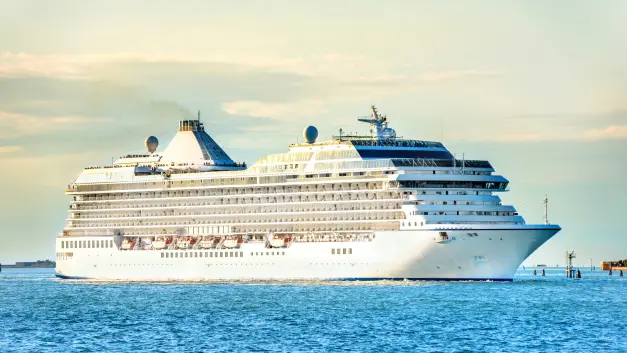
A recent outbreak of Hantavirus on an Atlantic cruise ship has raised serious health concerns.
The outbreak occurred on the expedition vessel MV Hondius cruise ship travelling from Argentina towards Cape Verde, where Multiple fatalities were reported. The incident has drawn attention from global health authorities, with experts urging awareness about the rare but potentially fatal infection.
According to international reports, at least three individuals lost their lives during the voyage, prompting immediate medical investigation and containment measures onboard.
What is Hantavirus and Why is it Dangerous?
Hantavirus is a group of viruses primarily transmitted to humans through contact with infected rodents, their urine, droppings, or saliva. Though rare, the infection can lead to severe respiratory and organ complications.
How the Virus Spreads
Unlike many viral outbreaks that spread from person to person, hantavirus is typically contracted through:
- Inhaling contaminated air particles
- Direct contact with infected rodents
- Touching contaminated surfaces and then face
Health experts note that confined environments like ships can increase risk if hygiene and sanitation are compromised.
Symptoms of Hantavirus Infection
The infection often begins with mild symptoms but can escalate rapidly if not treated on time.
Early Warning Signs
- Fever and chills
- Muscle aches
- Fatigue
- Headaches
Severe Symptoms in Advanced Stages
- Difficulty in breathing
- Low blood pressure
- Fluid accumulation in lungs
- Organ failure in critical cases
Medical professionals emphasize that early diagnosis is crucial to prevent life-threatening complications.
Cruise Ship Incident Triggers Global Attention
The outbreak on the cruise ship has led to increased screening and monitoring protocols for passengers and crew members. Health teams were deployed to manage the situation and prevent further spread.
Containment Measures Taken
Authorities reportedly implemented:
- Immediate isolation of suspected cases
- Medical evaluation of all passengers
- Sanitization and hygiene control measures
This incident highlights the vulnerability of closed environments to infectious diseases, even those that are not highly contagious.
Prevention and Safety Guidelines
While hantavirus cases are relatively rare, prevention plays a key role in reducing risk.
Simple Preventive Steps
- Avoid contact with rodents and their habitats
- Maintain cleanliness in living spaces
- Use protective gear when cleaning dusty areas
- Ensure proper ventilation in enclosed spaces
Travelers, especially those on long journeys or cruises, are advised to remain cautious and follow hygiene protocols.
Global Health Perspective
Public health experts have reiterated that while hantavirus does not typically spread between humans, outbreaks like this require immediate response due to high mortality rates in severe cases.
Need for Awareness and Preparedness
Such incidents underline the importance of:
- Strong onboard medical systems
- Rapid response strategies
- Public awareness about rare infections
Global health agencies continue to monitor the situation closely and provide updated guidelines.
Conclusion
The hantavirus outbreak on the cruise ship serves as a reminder of how quickly health emergencies can arise in confined environments. While the virus remains rare, its severity makes awareness and early detection critical.
As international travel continues to grow, maintaining strict hygiene and health protocols remains essential to prevent similar incidents in the future.
Also read, Share Bazaar Outlook: Nifty 50, Sensex Amid Global Tensions
Watch Latest News Videos on KRH News: Click Here