


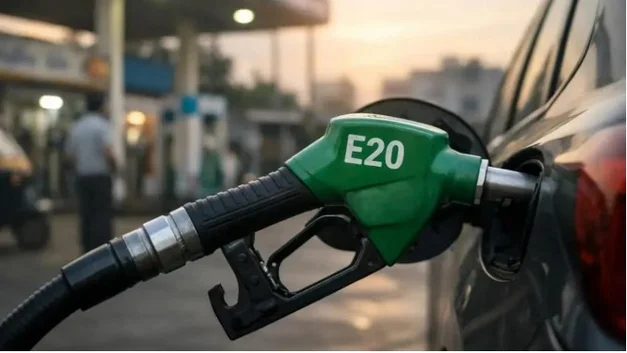
During Petrol – Diesel Crisis, Government take big decision
India has introduced a historic policy move by imposing a ₹3 per litre windfall tax on petrol exports for the first time. The decision has sparked nationwide discussion, especially among consumers worried about rising fuel prices. However, the government has clarified that this tax will not directly increase petrol prices for the common public.
Instead, the tax targets the extra profits earned by oil companies during periods of sharp increases in global crude oil prices. The move is aimed at balancing corporate gains with national economic interests while ensuring fuel availability in the domestic market.
H2: What is a Windfall Tax?
A windfall tax is a special tax imposed by governments on companies that earn unusually high profits due to unexpected market conditions. In this case, oil companies benefit when international crude oil prices rise rapidly, leading to higher export earnings from petroleum products.
These sudden and extraordinary earnings are called “windfall profits.” The government collects a portion of these excess profits through a windfall tax. Under the latest decision, the Indian government will collect ₹3 per litre on petrol exports from oil companies generating higher-than-normal profits.
Why Has the Government Introduced This Tax?
The central government’s decision comes at a time when global crude oil markets remain volatile due to geopolitical tensions, supply disruptions, and rising international demand.
Main Reasons Behind the Decision
1. To Maintain Domestic Fuel Supply
When export profits become extremely high, companies may prioritize exports over domestic supply. The government wants to ensure sufficient petrol availability within India.
2. To Control Fuel Inflation
By regulating excessive export-driven profits, authorities aim to prevent sudden spikes in domestic fuel prices and inflation.
3. To Share Excess Corporate Profits
The government believes that extraordinary profits generated due to global circumstances should partly contribute to national welfare and economic stability.
4. To Strengthen Government Revenue
The additional revenue collected through windfall tax can support infrastructure projects, welfare schemes, and energy security initiatives.
Will Petrol Prices Increase for Consumers?
One of the biggest concerns among citizens is whether this move will increase petrol prices at local fuel stations.
The government has indicated that the windfall tax is aimed at oil companies’ export profits and not at retail consumers directly. Therefore, immediate fuel price hikes for domestic buyers are unlikely solely because of this tax.
However, fuel prices in India still depend on multiple factors such as:
- International crude oil prices
- Rupee-dollar exchange rate
- State and central taxes
- Transportation and refining costs
- Global geopolitical developments
Experts believe the policy is more focused on market stability rather than burdening consumers.
How Global Crude Oil Prices Affect India
India imports a major portion of its crude oil requirement from international markets. Whenever crude oil prices rise globally, Indian oil companies often earn more through exports of refined petroleum products.
This creates a situation where export profits surge dramatically. The windfall tax acts as a balancing mechanism to ensure that the country also benefits from these gains.
According to energy analysts, similar taxes have been introduced by several countries in recent years during periods of high oil prices and energy market disruptions.
Impact on Oil Companies
The new ₹3 per litre tax may reduce profit margins for oil refining and exporting companies. However, analysts suggest that major oil firms are still expected to remain profitable because of strong international demand and refining margins.
Large public and private sector oil companies operating in India may adjust their export strategies accordingly.
Possible Effects on Companies
- Lower export profit margins
- Increased focus on domestic supply
- Better market balance within India
- Possible changes in refining economics
Despite the additional tax burden, experts do not expect major operational disruptions in the sector.
Public Reaction and Industry Response
The decision has received mixed reactions. Many economists and policy experts support the move, saying it helps protect domestic interests during global uncertainty. Consumer groups have welcomed the clarification that the tax will not directly increase petrol prices for ordinary citizens.
Meanwhile, some industry stakeholders believe that frequent policy changes could impact long-term investment planning in the energy sector.
India’s Previous Experience with Windfall Taxes
India had earlier imposed windfall taxes on crude oil production and diesel exports during periods of elevated global oil prices. These taxes were revised multiple times depending on international market conditions.
The latest move on petrol exports indicates the government’s continued focus on balancing economic growth, inflation control, and energy security.
Future Outlook for Fuel Prices in India
Fuel prices in the coming months will largely depend on international crude oil trends and geopolitical developments. If global oil prices remain volatile, governments worldwide may continue using policy tools like windfall taxes to stabilize domestic markets.
For Indian consumers, the immediate impact appears limited, but the overall energy market situation will remain important to watch.
Final Thought
India’s decision to impose a ₹3 per litre windfall tax on petrol exports marks a significant step in managing excess corporate profits during global oil market volatility. The government aims to protect domestic fuel supply, control inflationary pressure, and ensure that extraordinary gains made by oil companies also benefit the nation.
While the move may slightly affect oil company profits, consumers are unlikely to face an immediate direct burden. As global crude oil prices continue fluctuating, such policy measures may play a key role in maintaining economic balance and fuel security in India.
Note: Fuel prices and taxation policies may change over time depending on international crude oil markets and government decisions. Readers are advised to follow official government notifications for the latest updates.
Also read, Petrol and Diesel Prices Hiked by ₹3 – India Fuel Crisis 2026
Watch Latest News Videos on KRH News: Click Here