


The Genesis of the Panic: Rumors and Reality
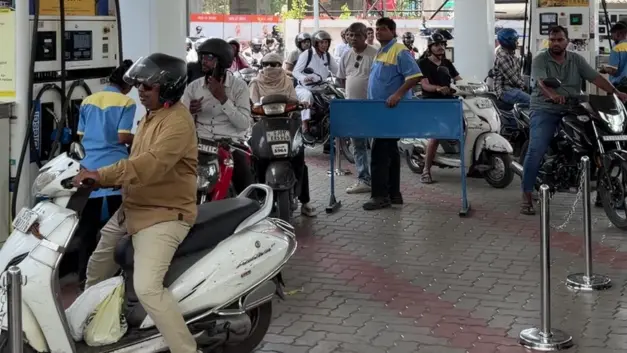
Surat Fuel Crisis: The Diamond City of Gujarat is grappling with an unexpected and sudden fuel crisis. Over the past few days, several fuel stations across Surat have rolled down their shutters, displaying dreaded “No Petrol” and “No Stock” boards. The sudden drying up of fuel stations has triggered an aggressive wave of panic buying, with anxious motorists forming serpentine queues that stretch onto major city roads, causing severe traffic disruptions.
While the administration calls for calm, the ground reality paints a picture of growing public anxiety as commuters and commercial transport operators scramble to keep their vehicles running.
The Genesis of the Panic: Rumors and Reality
The crisis, which began intensifying mid-week, stems from a volatile mix of genuine infrastructure maintenance and unverified rumors circulating on social media.
According to sources within the petroleum distribution network, regular supply to several retail outlets in Surat was temporarily affected due to urgent repair and maintenance work on a key fuel pipeline connecting the city to a neighboring supply hub. This technical disruption immediately caused a minor replenishment gap at a few local stations.
However, the situation quickly escalated when local WhatsApp groups and social media platforms began buzzing with rumors of an imminent, massive hike in fuel prices with some claims suggesting a jump of up to ₹10 per litre. Fearing a heavy blow to their pockets, thousands of residents rushed to the nearest pumps to top up their tanks, converting a minor supply delay into a full-blown artificial shortage.
Ground Reality: Long Queues and Closed Pumps
The impact has been felt heavily across the inner city areas of Surat, including VIP Road, Pal, and Adajan, where several private and public sector fuel stations have either completely run out of stock or resorted to rationing.
Private Outlets Hardest Hit
Private operators, such as Nayara Petroleum stations, were among the first to witness stock exhaustion, leading to immediate closures that further fueled public panic. Motorists reported that some operational pumps were strictly limiting sales, allowing fuel worth only up to ₹100 for two-wheelers to manage the depleting stock.
Commercial Impact
The fuel crunch has begun impacting local trade and logistics. Daily wage workers, auto-rickshaw drivers, and local delivery tempos are facing the brunt of the crisis. Many tempo operators reported being denied diesel within city limits, forcing them to scout for fuel at highway pumps, which are currently showing slightly better inventory levels.
The Economics Behind the Shortage: Advance Payments and Rationing
To understand why the stations ran dry so quickly, industry insiders point to a significant shift in how fuel distribution is managed by Oil Marketing Companies (OMCs).
+------------------------------------------+------------------------------------------+
| Old Fuel Distribution System             | New 2026 Operational Protocol            |
+------------------------------------------+------------------------------------------+
| 5-Day Revolving Credit for Dealers       | Strict Advance Payment Model Required    |
| Delivery first, payment settled later    | Cash-and-carry system strains liquidity  |
| Buffer stock easily maintained           | Smaller outlets struggle to restock      |
+------------------------------------------+------------------------------------------+
Because OMCs now require 100% advance payments for stock delivery, smaller independent dealers lacking deep financial liquidity cannot instantly order extra tankers when demand spikes. Consequently, companies are distributing fuel strictly based on historical sales patterns, leaving dealers with zero buffer to handle sudden, panic-driven surges in demand.
Global Context: The Backdrop of Energy Volatility
The anxiety among Surti citizens is not entirely baseless. The local panic is heavily amplified by global events, particularly the ongoing geopolitical tensions in the Middle East and the 2026 Iran War Fuel Crisis. With international crude oil prices fluctuating rapidly and global supply chains under immense pressure due to disruptions in major maritime trade routes, Indian consumers remain on high alert regarding domestic fuel pricing policies.
While domestic prices in Surat have remained relatively stable—floating around ₹97.35 to ₹97.55 per litre for petrol – the fear of a global oil shock driving up domestic inflation is what is primarily pushing citizens toward aggressive hoarding.
Official Stance: “Sufficient Stocks Available”
In response to the growing chaos, the Surat and Tapi District Petrol Pump Dealers Association has stepped in to reassure the public.
“There is absolutely no need for panic buying. The city has access to sufficient fuel inventory, and regular supply lines are being restored rapidly. We urge citizens to buy only what is required for their daily commute to help stabilize the local stations.”
State authorities have also urged citizens to steer clear of speculative rumors, stating that fuel delivery logistics are operating smoothly and the temporary pipeline gaps are being quickly resolved. Motorists are advised to avoid hoarding fuel in plastic containers, as it creates artificial scarcity and poses a severe safety hazard.
Also read, India Imposes ₹3/Litre Windfall Tax on Petrol Exports in 2026
Watch Latest News Videos on KRH News: Click Here