


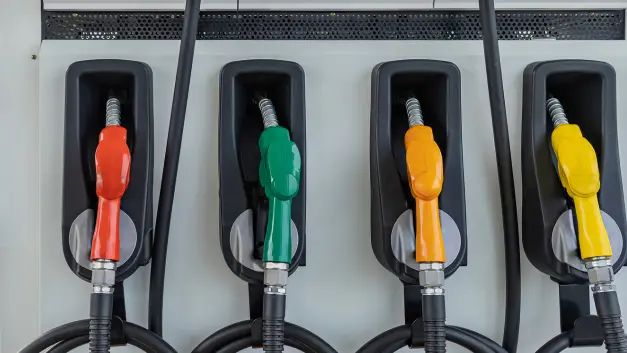
Fuel Price Hike India: In a massive blow to the common man’s household budget, state-run Oil Marketing Companies (OMCs) have announced another major revision in retail fuel prices across India. Effective Monday, May 25, 2026, the price of petrol has been increased by Rs 2.61 per litre, while diesel prices have shot up by Rs 2.71 per litre.
This latest revision marks the fourth fuel price hike in the last 11 days, signaling an aggressive end to the prolonged price freeze. With this steep adjustment, the cumulative price increase over the last two weeks has reached nearly Rs 7.50 per litre. The consecutive hikes have sparked widespread public anxiety over an imminent rise in the cost of essential commodities and overall retail inflation.
Why are fuel prices hike in India?
1. The Shockwaves of the West Asia Conflict are the main Reason Fuel Price Hike
The primary catalyst behind this aggressive domestic price escalation is the ongoing geopolitical volatility in West Asia, specifically the escalating US-Iran conflict. Global benchmark Brent crude oil prices have consistently stayed above the $100 per barrel mark over the last quarter, heavily impacting net oil-importing nations like India.
2. Massive Losses for Oil Marketing Companies
India depends on international imports to fulfill roughly 85% of its domestic crude oil demand. State-owned fuel retailers—Indian Oil Corporation Limited (IOCL), Bharat Petroleum Corporation Limited (BPCL), and Hindustan Petroleum Corporation Limited (HPCL)—had absorbed massive input costs for nearly 76 days to shield domestic consumers. Industry sources estimate that OMCs were cumulatively bearing an unsustainable loss of over Rs 1,000 crore every day before they resumed daily price revisions on May 15.
3. A Weakening Indian Rupee
Adding fuel to the fire, the domestic currency has faced continuous depreciation against the US dollar. Since oil purchases globally are transacted in USD, a weaker rupee has substantially bloated the import bill for Indian oil companies, leaving them with no choice but to pass the financial burden onto retail consumers.
Economic Ripple Effects and Political Backlash
The recurring price hikes have drawn sharp criticism from opposition parties. Congress President Mallikarjun Kharge heavily slammed the central government, characterizing the continuous hikes as a “daily assault of fuel loot” that aggressively burns through middle-class savings.
Beyond politics, economists are sounding the alarm on supply-chain inflation. Because diesel is the primary fuel driving the nation’s commercial logistics and agricultural machinery, a Rs 2.71 per litre spike will inevitably drive up transportation expenses. Consumers can expect a cascading effect on the retail market, trickling down into higher prices for daily essentials, including fruits, vegetables, milk, and manufacturing materials within the coming weeks.
Watch Latest News Videos on KRH News: Click Here