


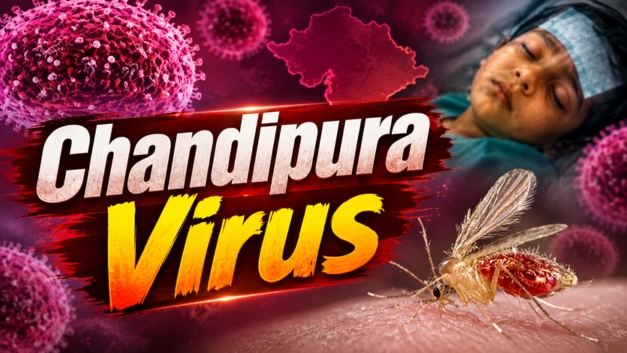
Over the past few years, public health authorities in India have closely monitored a silent yet lethal pathogen: the Chandipura Virus (CHPV). Primarily known for triggering acute encephalitis syndrome (AES) inflammation of the brain, this virus has periodically caused severe localized outbreaks, notably drawing significant concern across several districts in Gujarat.
Understanding how the virus spreads, recognizing early symptoms, and implementing timely vector control are essential to protecting vulnerable populations, particularly young children.
What is the Chandipura Virus?
The Chandipura virus is a member of the Rhabdoviridae family (the same family of viruses that includes rabies). It was first identified in 1965 following an outbreak of an encephalitic illness in Chandipura village, Maharashtra.
While sporadic cases pop up across central and western India, Gujarat has frequently found itself at the epicenter of monitoring efforts due to recurring seasonal flare-ups during the monsoon and pre-monsoon months.
How Does it Spread?
- Primary Vectors: The virus is primarily transmitted through the bites of infected vectors, predominantly sandflies (such as Phlebotomus species) and certain mosquitoes.
- Breeding Grounds: Sandflies typically breed in moist soil, animal shelters, cracks in mud or-brick walls, and areas with decaying organic matter.
- No Human-to-Human Transmission: Current medical research confirms that the virus does not spread directly from person to person.
The Target Group and Severity
The Chandipura virus disproportionately affects children under the age of 15. The clinical progression of the illness can be alarmingly fast. Once infected, the virus targets the central nervous system, leading to rapid neurological deterioration. In severe cases, patients can progress from initial flu-like symptoms to seizures, altered mental status, coma, and unfortunately, death within 24 to 48 hours of hospitalization.
Because historical outbreaks have recorded high case-fatality rates, rapid medical intervention is critical.
Key Symptoms to Watch For
The early symptoms of a Chandipura virus infection closely mimic standard viral fevers, making early detection a challenge. Key warning signs include:
- Abrupt High-Grade Fever: Often accompanied by sudden chills and sweating.
- Severe Headaches and Body Aches: Intense, persistent pain that does not easily subside.
- Neurological Signs: Sudden onset of seizures, convulsions, vomiting, and extreme lethargy or altered sensorium.
- Rapid Progression: Drowsiness or slipping into a semi-conscious/comatose state within a short timeframe.
Treatment and Management
Currently, there is no specific antiviral drug or cure for the Chandipura virus. Treatment relies entirely on supportive care and intensive medical management:
- Hospitalization: Immediate admission to a pediatric intensive care unit (PICU) for close monitoring.
- Symptom Management: Administering antipyretics to control fever, managing cerebral edema (brain swelling), and controlling seizures with anti-convulsant medications.
- Respiratory Support: Providing oxygen or mechanical ventilation if acute respiratory distress occurs.
Preventive Measures and Public Health Response
Given the absence of a dedicated vaccine, prevention remains the most effective line of defense. Health authorities in Gujarat and across India emphasize the following protocols during vector-active seasons:
Crucial Safety Tip: If a child develops a sudden high fever accompanied by vomiting, altered behavior, or seizures, seek immediate medical attention rather than waiting for symptoms to resolve on their own.
- Vector Control: Intensive insecticide spraying and fogging in affected rural and semi-urban pockets to curb sandfly populations.
- Personal Protection: Using mosquito nets, applying insect repellents, and dressing children in full-sleeved clothing especially during dusk and dawn when sandflies are most active.
- Environmental Sanitation: Improving housing hygiene, filling cracks in mud walls, and keeping animal shelters away from primary living areas.
Final Thoughts
While the Chandipura virus remains a formidable pediatric health threat, heightened surveillance, rapid clinical responses, and community-level vector control significantly alter outcomes. Staying informed and practicing stringent vector prevention during peak seasons are our best tools in keeping communities safe
Must read, Passport Verification Process Made Easy in Gujarat: No Need to Visit Police Stations Anymore
Watch Latest News Videos on KRH News: Click Here