


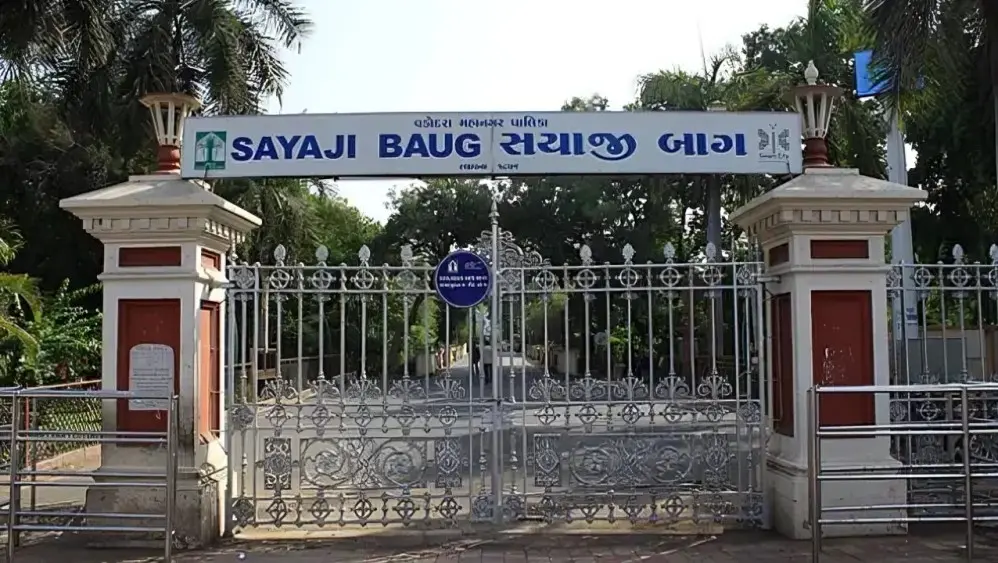
As Gujarat continues to experience intense summer temperatures, the management of Sayaji Baug Zoo in Vadodara has implemented several special measures to ensure the safety, health, and comfort of animals during the ongoing heatwave.
With temperatures rising sharply across the state, zoo authorities have intensified efforts to protect animals from dehydration, heat stress, and exhaustion. From water sprinklers and fogging systems to seasonal fruits and ice blocks inside enclosures, the zoo administration is taking a proactive and compassionate approach toward animal welfare.
The initiatives have drawn appreciation from visitors and animal lovers, especially at a time when climate conditions are becoming increasingly harsh across many parts of India.
Sayaji Baug Zoo Focuses on Animal Welfare Amid Rising Temperatures
The summer season in Gujarat has become particularly challenging this year, with several cities recording extremely high daytime temperatures. Animals housed in zoos are often more vulnerable to heat-related stress, making preventive care and monitoring essential.
Recognizing these challenges, the management of Sayaji Baug Zoo has introduced multiple cooling and hydration measures to create a safer environment for animals and birds. According to zoo officials, the efforts are aimed at ensuring that animals remain active, healthy, and stress-free despite the harsh weather conditions.
Special Cooling Measures Introduced Inside Animal Enclosures
Water Sprinklers and Fogging Systems Activated
One of the key measures being implemented at the zoo is continuous water sprinkling across animal enclosures and open areas. This helps reduce surrounding temperatures and creates a cooler environment for animals.
In bird enclosures, fogging systems have been installed to maintain moisture and regulate temperature levels. These systems release fine mist particles that help birds stay cool during peak afternoon heat. Officials say these cooling systems are especially important for species that are sensitive to sudden temperature increases.
Ice Blocks Placed Inside Enclosures
To provide relief from the heat, large ice blocks are being placed inside selected animal enclosures. Animals often interact with the ice directly, helping them cool down naturally. Zoo caretakers are also regularly wetting enclosure floors and shaded zones to maintain lower temperatures throughout the day.
Artificial Shade Structures Added
Additional shaded areas have been created across the zoo using artificial covers and cooling arrangements. These structures allow animals to rest comfortably away from direct sunlight.
Experts believe that proper shade management is essential during extreme summer conditions, particularly for large mammals and birds.
Seasonal Fruits and Hydration Supplements Provided to Animals
Nutritious Summer Diet Introduced
As part of the summer care plan, the zoo administration is providing animals with juicy seasonal fruits and fresh vegetables rich in water content. Fruits like watermelon, muskmelon, cucumber, and other hydrating foods are being included in the animals’ daily diet to help maintain hydration levels naturally.
Caretakers say dietary changes play a major role in protecting animals from fatigue and dehydration.
ORS and Mineral Supplements Added to Water
Zoo authorities have also started mixing Oral Rehydration Solutions (ORS) and mineral supplements into drinking water provided to animals. This helps maintain electrolyte balance and reduces the risk of dehydration-related health problems during intense heat conditions.
The veterinary team closely monitors water intake and health patterns among animals to ensure timely intervention if required.
Pools and Water Bodies Being Regularly Cleaned
To help animals cool themselves naturally, pools and water bodies inside enclosures are being cleaned and refilled regularly. Many species, especially larger mammals and aquatic birds, depend on water pools to regulate body temperature during summer.
Zoo officials stated that maintaining clean water is equally important to prevent infections and ensure animal hygiene.
Veterinary Teams Monitoring Animal Health Round-the-Clock
Continuous Health Monitoring Underway
According to Sayaji Baug Zoo Curator Dr. Pratyush Patankar, veterinary teams are actively monitoring the health and behavior of animals throughout the day.
He stated that special attention is being given to signs of:
- Dehydration
- Fatigue
- Reduced activity
- Loss of appetite
- Heat stress symptoms
The veterinary staff remains available round-the-clock to handle emergencies and ensure quick medical response whenever needed.
Curator Highlights Importance of Summer Protection
Dr. Patankar explained that the zoo’s primary focus is to minimize the impact of extreme heat on animals through preventive care, hydration support, cooling infrastructure, and continuous supervision. He emphasized that every possible effort is being made to maintain a safe and comfortable environment for all animals and birds at the zoo.
Visitors Appreciate Zoo’s Sensitive Approach
Many visitors to the zoo have praised the administration for prioritizing animal safety during the extreme summer season. Families and wildlife enthusiasts visiting the zoo noted that the cooling arrangements appeared effective and well-organized. Social media users also appreciated the zoo staff for their dedicated efforts to ensure animals remain protected during difficult weather conditions.
Final Thought
As Gujarat continues to face intense summer heat, Sayaji Baug Zoo in Vadodara has emerged as an example of sensitive and responsible animal care management. Through cooling systems, hydration support, dietary adjustments, veterinary monitoring, and improved shelter arrangements, the zoo administration is making significant efforts to protect animals from heat-related stress.
These initiatives highlight the growing importance of animal welfare during extreme climate conditions and demonstrate how thoughtful planning can help ensure the safety and comfort of wildlife in captivity.
Also read, PM Narendra Modi Inaugurates Sardar Dham-3 in Vadodara
.Watch Latest News Videos on KRH News: Click Here